
Blogs
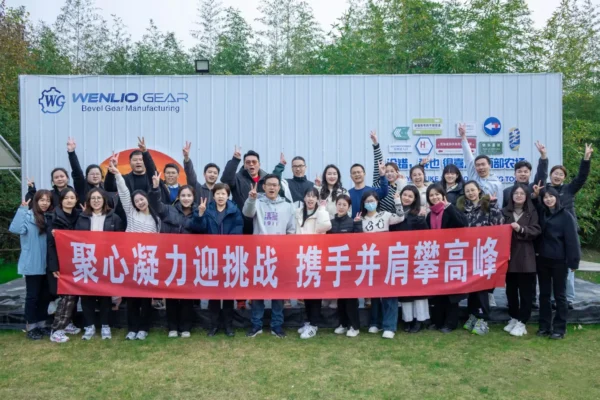
Wenlio Gear Teamwork: January 2026 Outing
Jan
Introduction
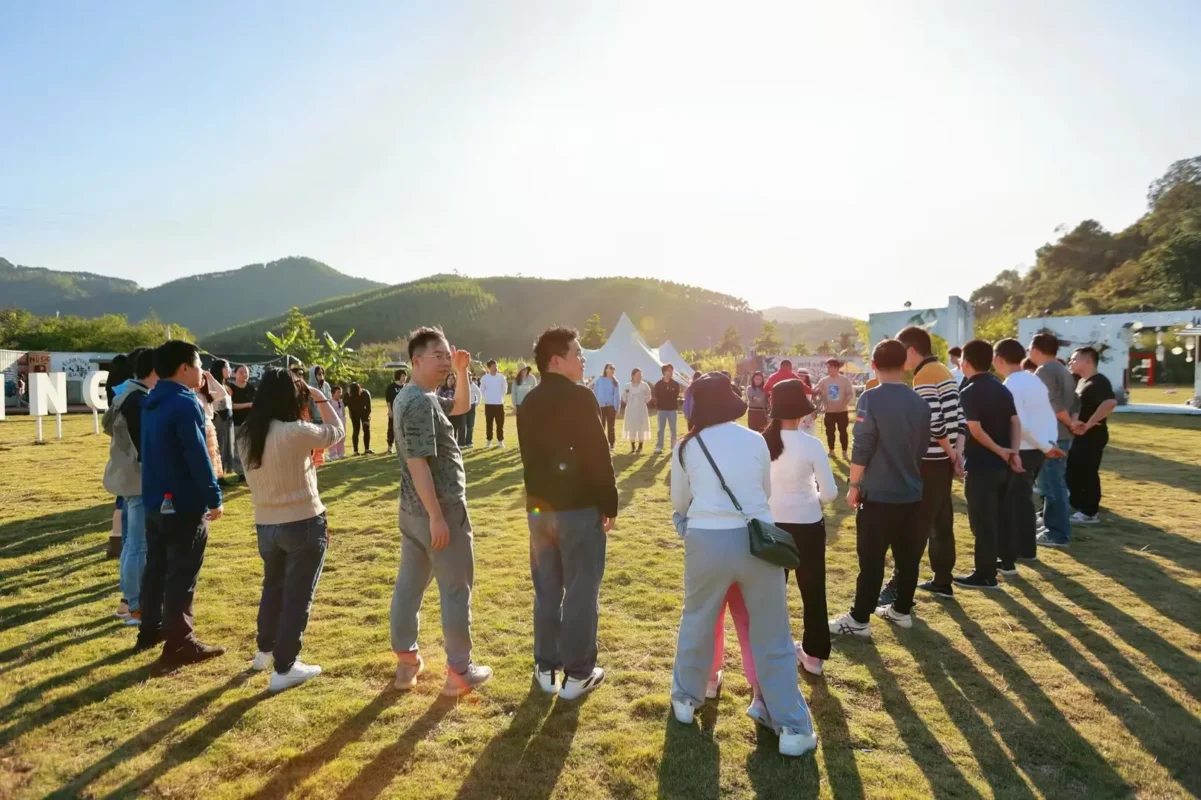
In January 2026, the Wenlio Gear team began the year with an outdoor teamwork at a campsite. The day combined structured coordination challenges, role-based rotations, and short debrief sessions designed to strengthen one thing we rely on every day: alignment. In manufacturing, stable results are rarely created by individual effort alone. They come from teams that share the same target, communicate clearly, and execute with consistent rhythm—especially when conditions change.
This matters because manufacturing is a team sport. Whether it’s a new drawing review, a pilot run, a production schedule change, or a quality issue that needs fast containment, the outcome depends on how well people coordinate—not only on individual skill. A team that communicates cleanly, reacts calmly, and stays consistent under pressure will deliver more stable results.
The Scene: A Clear Space for Clear Thinking
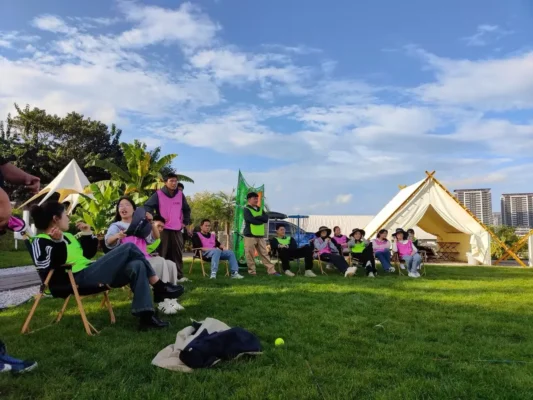
The campsite setting was simple and open: a wide lawn for activities, tents as a resting and briefing zone, and a distant skyline under shifting winter clouds. In a space like this, you can see the whole team at once—who is leading, who is reacting, and where coordination breaks down. It becomes a live mirror of everyday work.
In the workshop, misalignment often hides inside tools, messages, or assumptions. Here, it shows immediately. When the goal is shared but the rhythm is not, the system becomes unstable. That visibility is exactly what makes team-building useful: it turns “teamwork” from an abstract word into something measurable.
Coordination Challenge: Rhythm Creates Stability
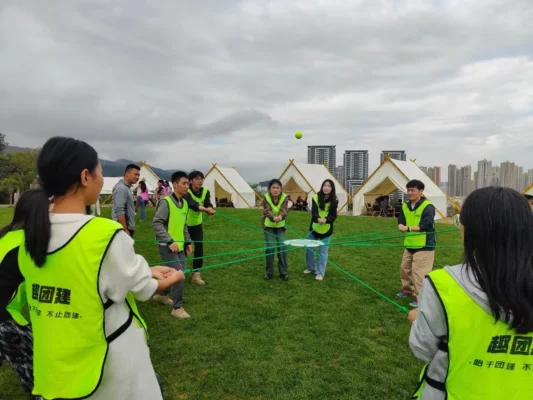
One of the main activities was a rope-based “team drum” challenge. Everyone formed a circle and held ropes connected to a shared center platform. The task was to keep a ball bouncing steadily on the platform. It looks easy until you try it.
At the start, the most common instinct was to “fix” the problem fast. When the ball drifted, people pulled harder or corrected quickly. But quick, uncoordinated corrections increased instability. The platform tilted, the ball bounced unpredictably, and the team spent more energy getting worse results.
The turning point came when teams shifted from reaction to rhythm:
- One clear voice gave short, consistent call-outs.
- The group agreed on a steady pace instead of chasing the ball.
- Movements became smaller and more predictable.
- Everyone watched both the ball and the teammates’ hands.
Once the rhythm became consistent, the ball became controllable. The lesson is simple and powerful: stability is created by alignment, not force.
What This Mirrors in Manufacturing
The reason this activity matters is that it models how real production systems behave. Many manufacturing problems are not caused by one “big mistake.” They come from small differences in timing, interpretation, and control.
For example:
- A drawing note is understood differently across functions.
- A process step has no clear owner, so handling varies by shift.
- A quality checkpoint is placed too late, so issues are found after value has already been added.
- A packaging or labeling detail is treated as “minor,” then becomes a receiving issue.
In each case, the system becomes harder to control because people pull in slightly different directions. The team drum challenge compresses that reality into a few minutes. When everyone follows one rhythm and one standard, the system becomes stable. When everyone “does their best” in different ways, the system becomes noisy.
Role Rotation: A Team Is More Than Its Strongest Player
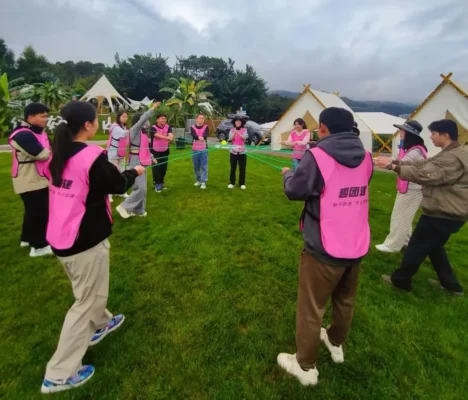
As teams rotated through rounds, the biggest improvement was not from one person “taking over.” It came from better role use. Some people naturally became coordinators who simplified the plan and reduced noise. Others kept the pace steady and prevented over-correction. Some spotted patterns early and suggested small changes that helped everyone.
This is exactly how strong production teams work. Stable execution depends on complementary roles:
- clear leadership at key moments,
- consistent support to keep rhythm,
- observation and feedback that catches drift early.
When pressure rises, good teams don’t add more force. They reduce variability. That principle applies to both games and gear manufacturing.
Debriefs: Turning Experience into a Repeatable Method
Between rounds, we held short debriefs near the tents. The goal was not to judge performance, but to identify the root cause of instability and define a better method for the next attempt.
Teams focused on practical questions:
- Was the command consistent?
- Did we over-correct, or did we adjust smoothly?
- Did everyone share the same target (pace, height, rhythm)?
- What is the one change that will make the next round more stable?
This is the same logic behind continuous improvement in a factory. A fast, structured debrief is a tool for reducing repeated mistakes. It turns a “good moment” into a repeatable approach. In production terms: shorten the loop, reduce variation, and verify the result.
A Brief Introduction to Us
Wenlio Gear supports power transmission projects where reliable meshing, stable fit, and consistent inspection are critical. We manufacture gear and gear-set components used across multiple sectors, with a strong focus on bevel gear solutions and related precision machining and inspection.
In practice, our work is built around disciplined execution:
- Clear engineering reviewto align drawings, datums, and key requirements
- Process planningthat controls risk points early (especially those that affect stability later)
- Quality controlthat verifies what matters, at the right time, with traceable results
This is also why internal teamwork matters. Manufacturing is a chain of handoffs. If one handoff is unclear, the next step becomes harder. Alignment inside the team becomes alignment in the final product—because stable processes come from stable collaboration.
How Team Alignment Improves Customer Experience
For customers and partners, teamwork shows up in very practical outcomes. When internal alignment is strong, early-stage communication becomes cleaner: questions are consolidated, feedback is consistent, and changes are controlled. During production, cross-functional coordination makes it easier to keep critical checkpoints visible and on time—especially when a project involves multiple steps that must stay synchronized.
When an unexpected issue happens, an aligned team can respond with less noise: confirm status, contain risk, and share next actions with facts. That reduces back-and-forth, protects schedules, and helps both sides make better decisions.
This is why we consider teamwork part of “quality” in the broad sense—because it reduces friction, reduces variation, and protects repeatability.
What We Take Back into 2026
We ended the day with a set of practical commitments—actions we can carry into daily work without extra tools:
- Align early:confirm requirements, key dimensions, and acceptance criteria before execution.
- Keep one rhythm:set clear owners and short feedback loops, so decisions don’t wait.
- Standardize the basics:make critical steps visible, repeatable, and easy to follow.
- Move risk forward:review high-risk points earlier and reduce surprises later.
- Communicate clearly:be direct, be factual, and close the loop.
These are not slogans. They are behaviors that reduce surprises and improve stability.
Conclusion
Wenlio Gear’s January 2026 team-building outing was not only a celebration of a new year, but a practical reset of how we work together. On a green lawn, with simple tools and one shared goal, we saw again what drives stable results: alignment, rhythm, and trust.
As we move through 2026, we will keep strengthening these habits—so our internal collaboration supports consistent quality and reliable delivery. If you’d like to learn more about Wenlio Gear’s capabilities or discuss your gear project requirements, you’re welcome to Contact Us and start a technical conversation.
