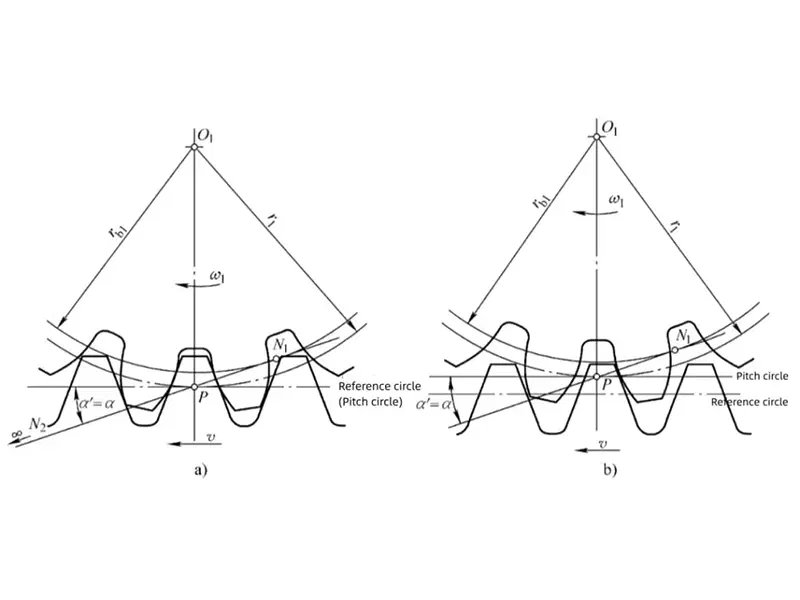
Introduction In gear design, drawings and standards rely on fixed geometry, but real assemblies operate with tolerances, load deflection, and center-distance variation. That is why two similar terms—reference circle and pitch circle—often create confusion. Engineers may use them interchangeably in casual discussion, yet they serve different roles in gear geometry and performance. At Wenlio Gear, […]
Author Archives: wenliogear@gmail.com
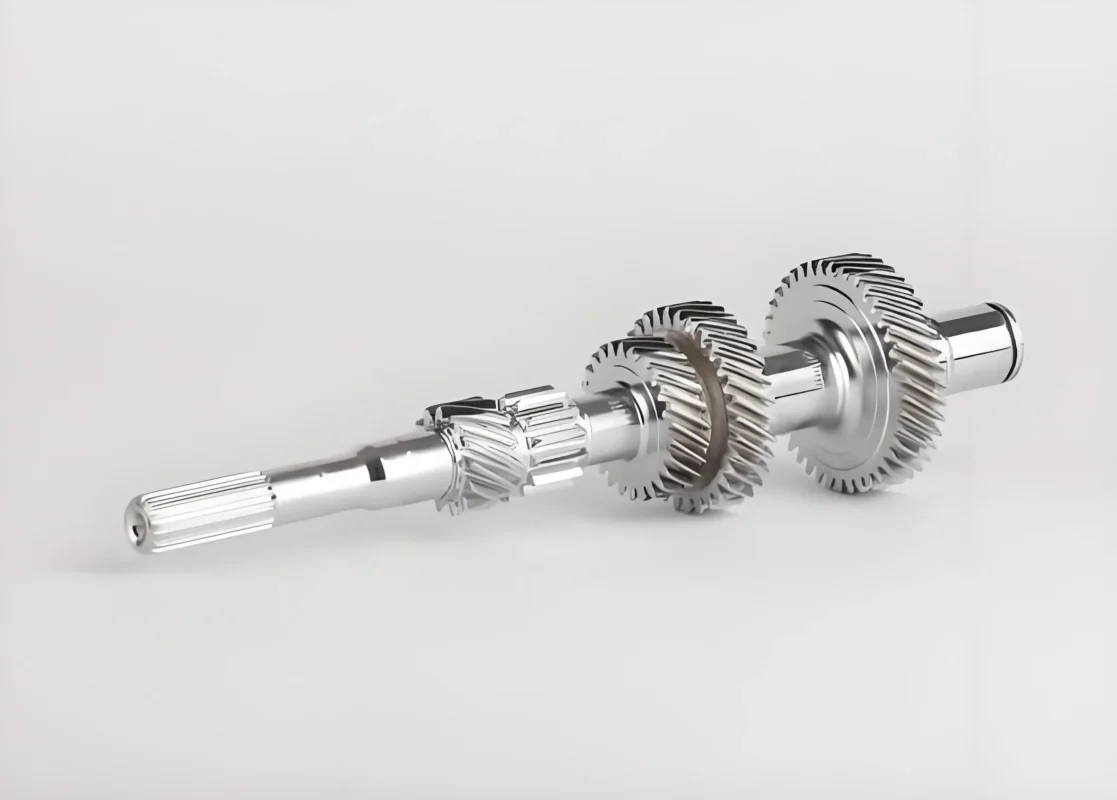
Introduction Transmission input shafts sit at the start of the drivetrain power path, connecting the engine or motor to the transmission’s internal gearing. As a result, they shape how smoothly torque enters the system. So even though the term sounds simple, input shaft design can influence shifting feel, noise, wear, and long-term durability. Building on […]
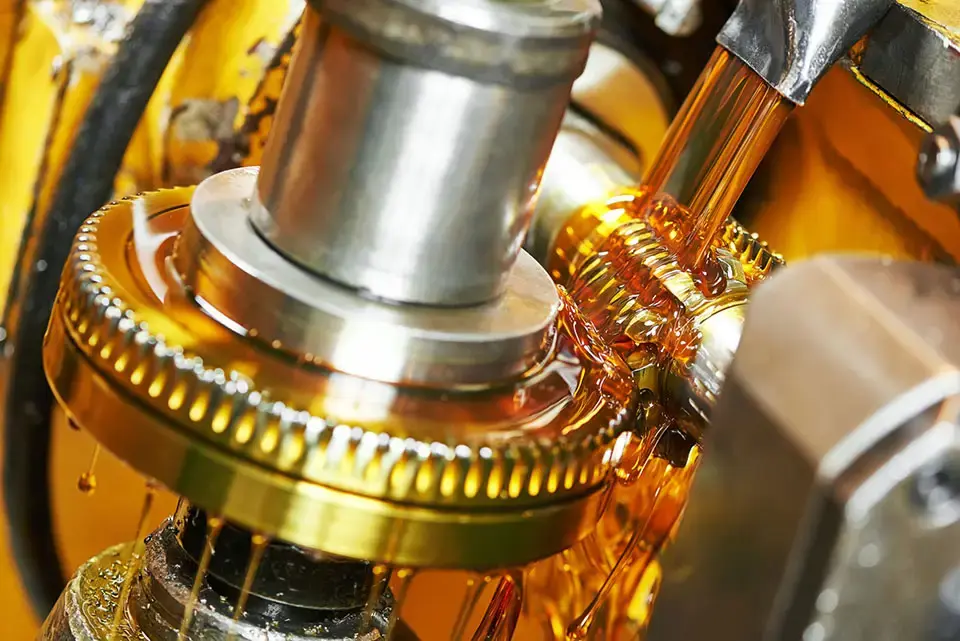
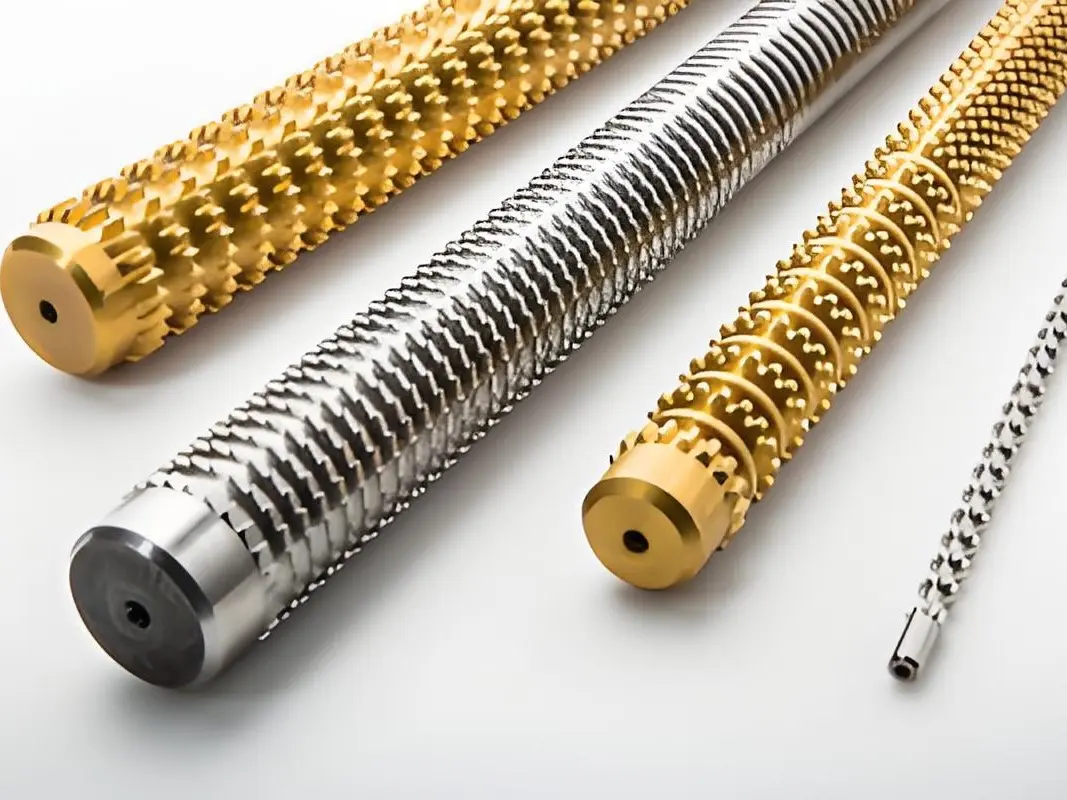
Introduction Gear hobbing is one of the most widely used gear cutting processes in modern manufacturing. It offers high production throughput while maintaining consistent tooth geometry in external gears. At Wenlio Gear, we apply gear hobbing in precision external gear projects where synchronization accuracy and repeatability directly influence performance. This article explains the gear hobbing […]
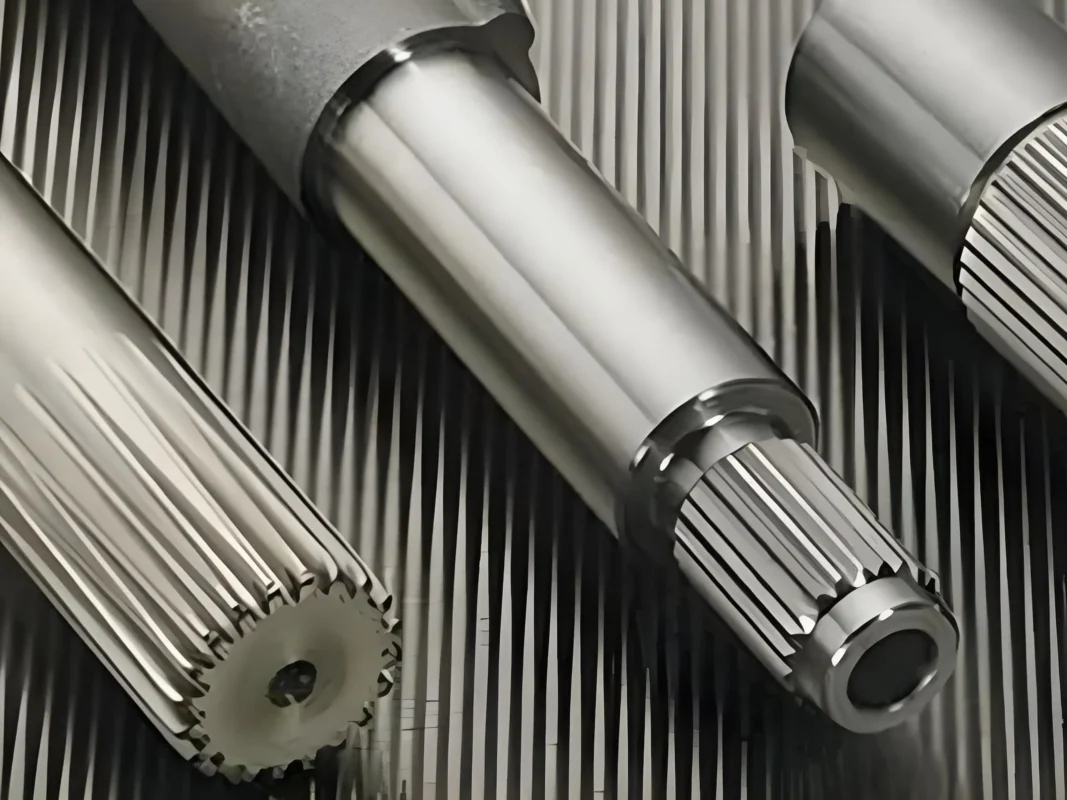
Introduction Spline shafts are widely used in mechanical transmission systems that require high torque capacity, accurate alignment, and stable power transfer. Compared with traditional key connections, spline shafts distribute load across multiple teeth, improving durability and positioning accuracy. At Wenlio Gear, we frequently manufacture spline shafts for demanding transmission assemblies, where geometry accuracy and heat […]
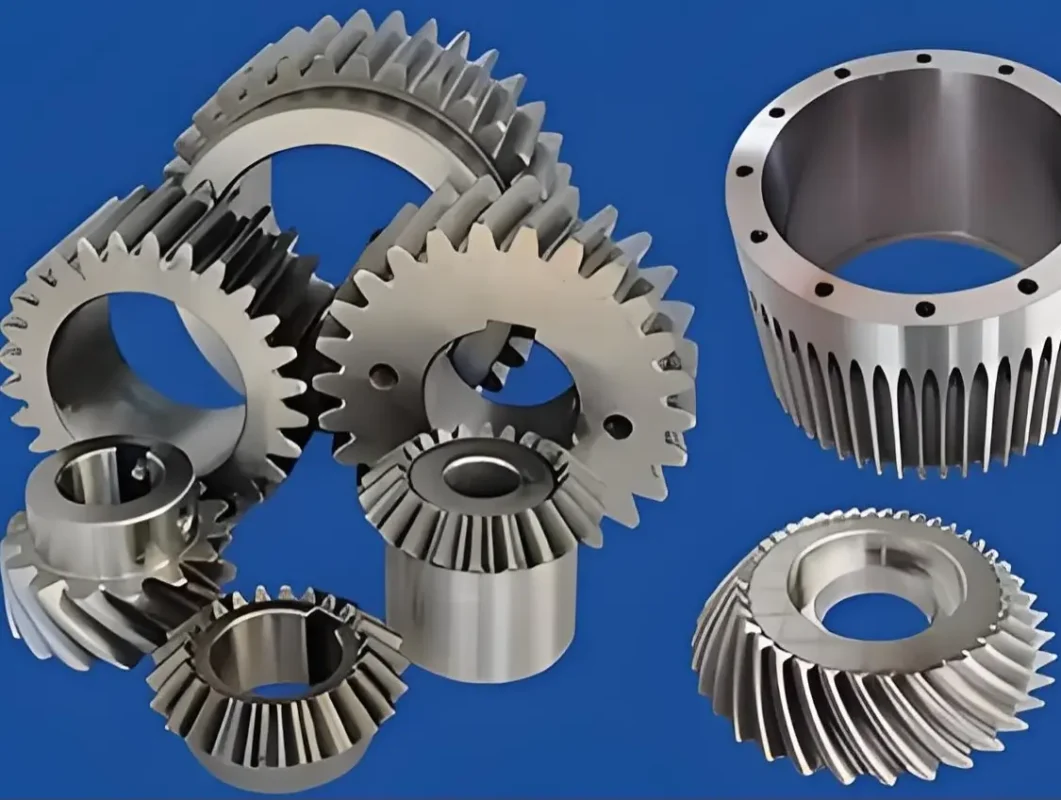
Introduction Pinion gear types can look similar on a drawing, but they behave very differently in real machines. In most gear pairs, a pinion is the gear with fewer teeth and a smaller outside diameter. A common exception is the miter gear set, where two gears are typically specified as a matched 1:1 pair. This […]
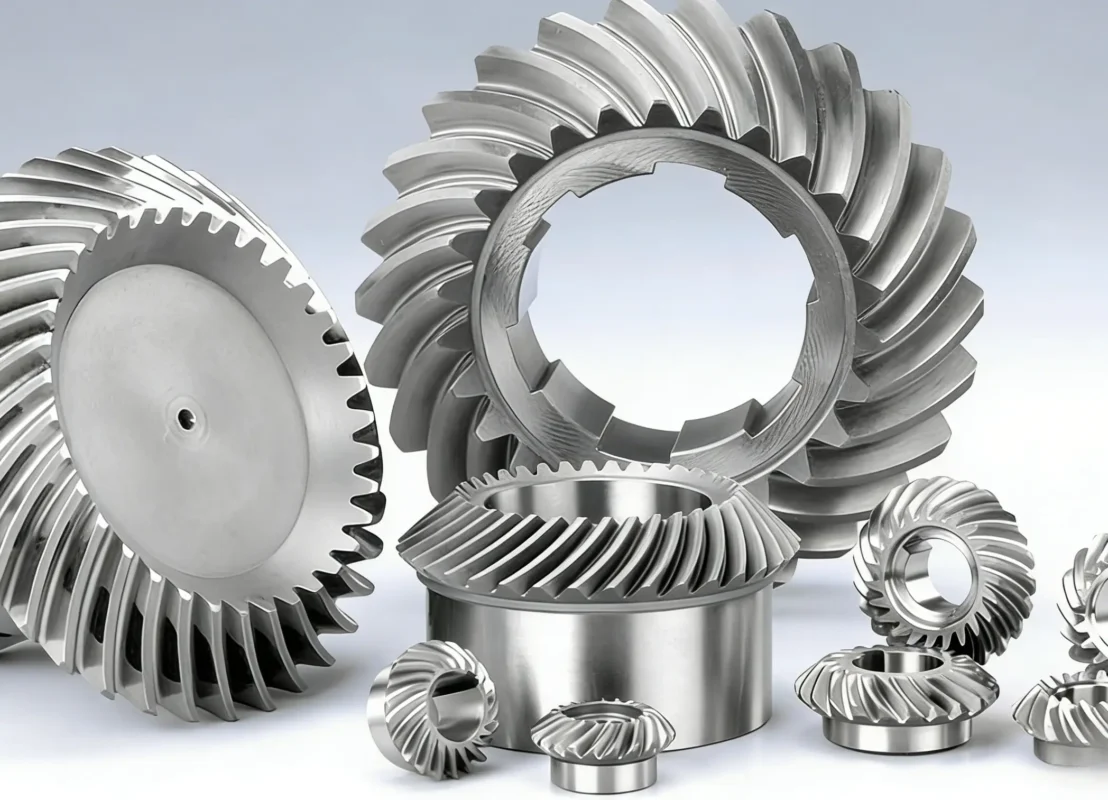
Introduction Bevel gears and planetary gears both transfer torque, yet they solve different design problems. Bevel gears are built for intersecting shafts and for changing the direction of power. Planetary gears, in contrast, are often chosen for compact coaxial layouts, flexible ratios, and strong torque density. At Wenlio Gear, we focus on measurable, manufacturable bevel […]
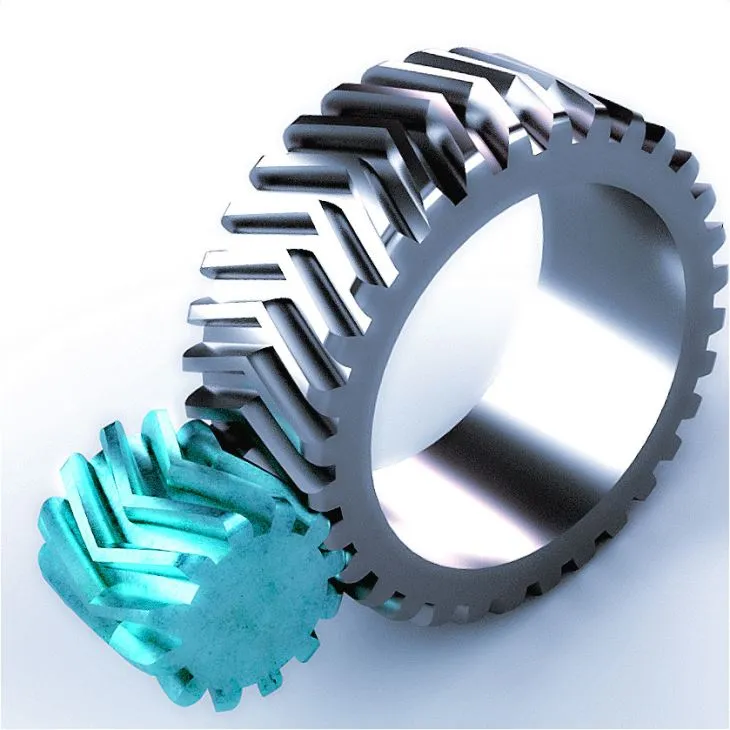
Introduction A herringbone gear is a helical gear form that combines left hand and right hand helices on one gear blank, creating a V pattern across the face width. It aims to keep smooth helical engagement while balancing the axial thrust that a single helical gear typically generates. In Wenlio‘s guide explains what the term […]
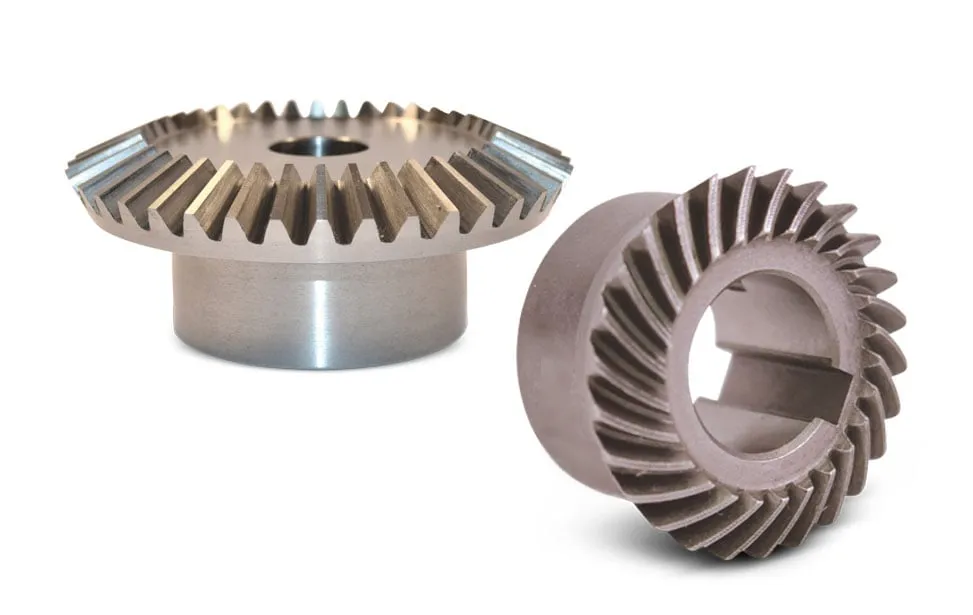
Introduction Miter gear sets are bevel gear pairs that transmit motion between intersecting shafts (most often 90 degrees) with a fixed 1:1 ratio—they change direction without changing speed. That sounds straightforward, but “runs well” depends on a small number of practical choices: tooth type, backlash, mounting references, lubrication, and the acceptance criteria used to judge fit and […]
Introduction Internal spline broaching is one of the fastest ways to make accurate keyways and spline profiles inside a bore. When the process is right, parts come off the machine consistent and clean. When it is not, you usually see it as chatter marks, uneven tooth thickness, tight assembly, or fast wear in service. This […]
Introduction When buyers search “hypoid gear vs bevel gear,” they are usually not looking for theory. They want to know which gear set will run cooler, last longer, carry more load, or fit a tight layout.From a supplier’s viewpoint, bevel and hypoid gear sets belong to the same family, but they behave differently because their […]