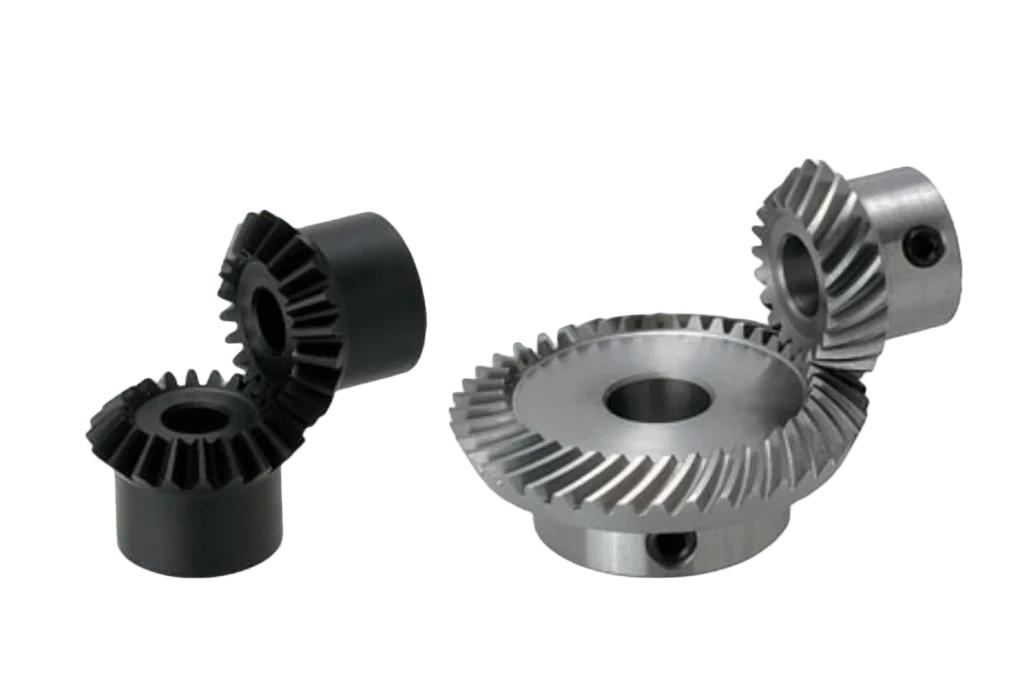
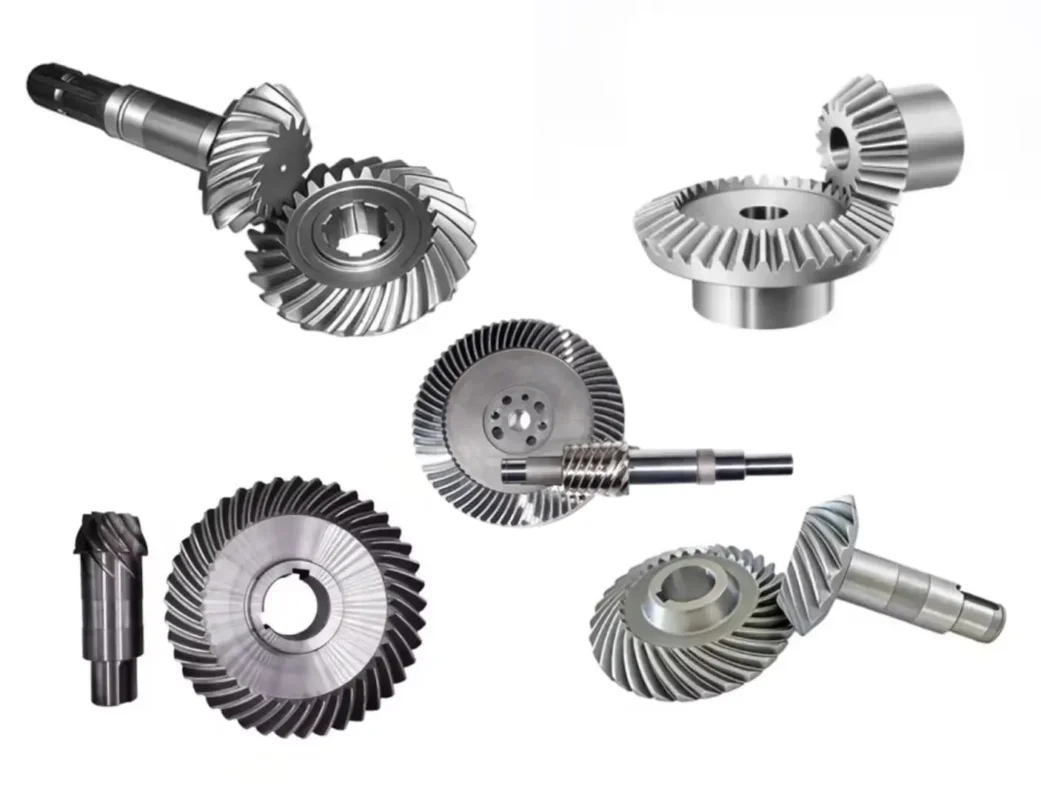
Introduction On a drawing, a bevel gear set looks straightforward: two shafts change direction and transmit torque through the gear mesh. In actual equipment, things are rarely that simple. Gear performance is affected not only by geometry, but also by load impact, lubrication condition, housing rigidity, mounting distance, backlash, and heat treatment variation. These factors […]
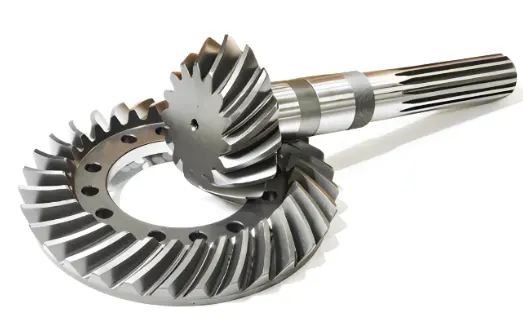
Category Archives: Bevel Gear
Looking for a reliable bevel gear factory? Explore our offerings to find top-notch bevel gears for various applications today.
Introduction Surface roughness sounds like a small detail, but on bevel gears it often becomes a real performance issue. A bevel gear may meet drawing dimensions, pass basic tooth geometry checks, and still run noisy, hot, or show early wear if the tooth surface condition does not match the application. That is especially true in […]
Introduction Many engineers know bevel gears. Fewer people use the term “miter gear” daily, so it can create confusion in RFQs and drawings. Some teams treat “miter gear” as a special product line, while others assume it simply means “a bevel gear at 90°.” In practice, a miter gear is a specific subset of bevel […]
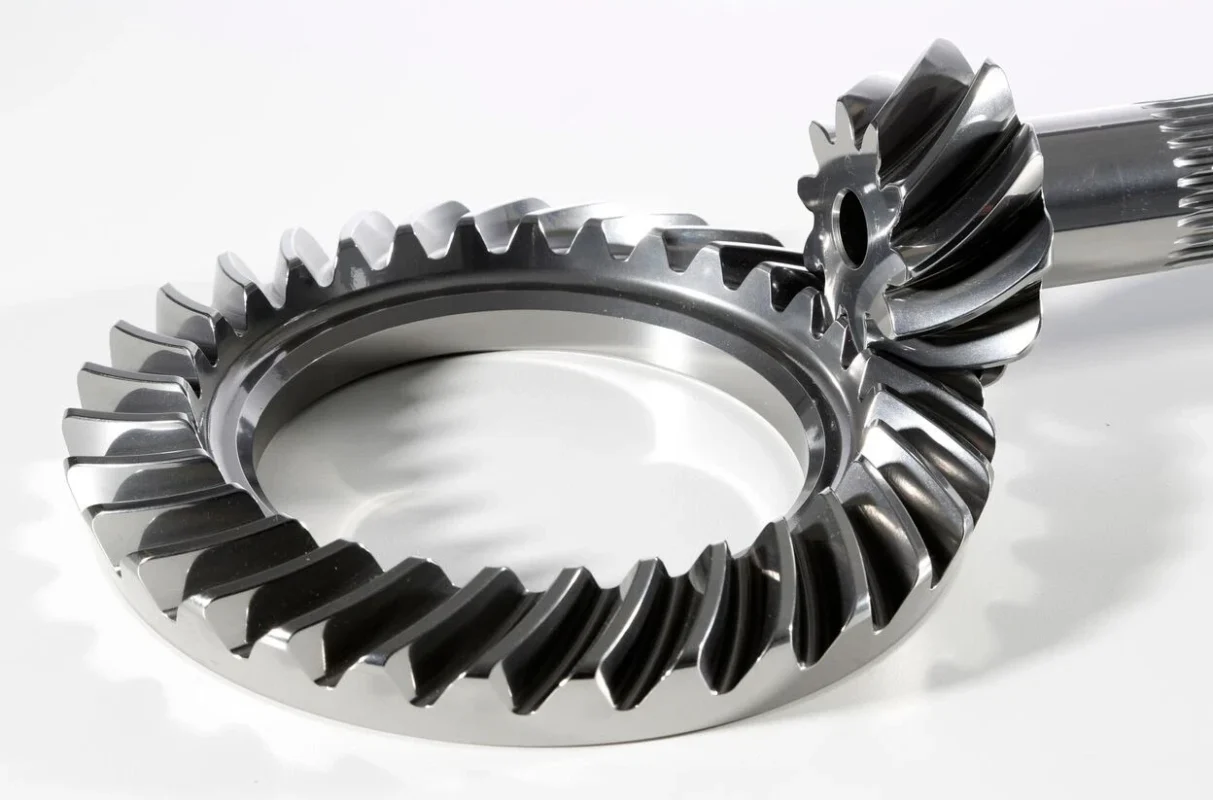
Introduction Helical vs spiral gears is a common comparison in drivetrain discussions, but the term “spiral gear” can mean different things in practice. In many right-angle applications, buyers use “spiral gear” to mean a spiral bevel gear set. In other contexts, it may refer to crossed helical (skew) gears. At Wenlio Gear, we see this […]
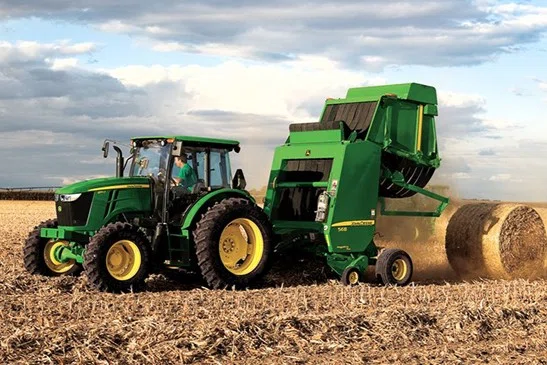
Introduction Tractors, harvesters, and tillage machines demand a lot from their drivetrains. Because they run at low speed and high torque, see frequent shock loads, and operate in dust, mud, and moisture, long duty cycles are the norm. As a result, bevel gear sets often sit at key turning points in the power flow—changing direction, […]
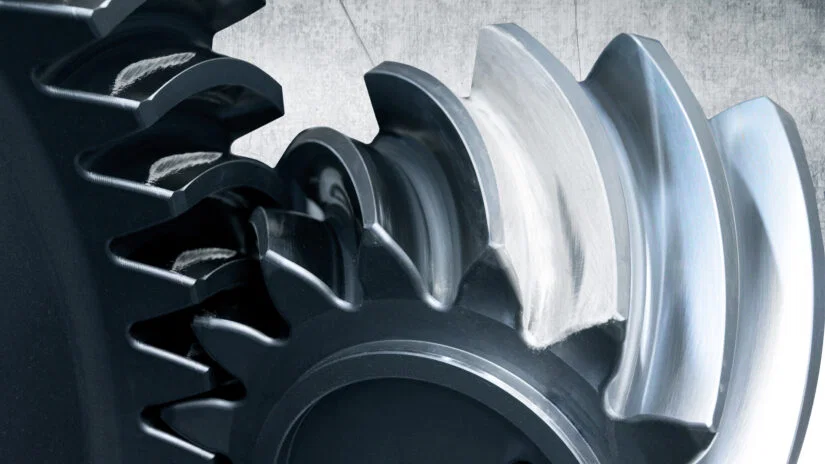
Introduction How bevel gears work looks simple on paper—two gears turn power through a 90° corner. In real machines, the details decide everything: contact pattern under load, noise targets, housing constraints, and allowable center-distance variation. That is why bevel gear sets can behave very differently even when the ratio looks the same. At Wenlio Gear, […]
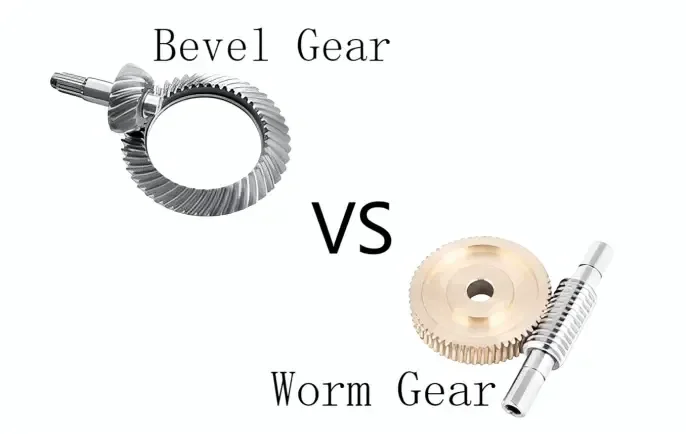
Introduction Right-angle drives show up everywhere—from compact positioning mechanisms to heavy-duty power transfer. Designers often narrow the options to two classic solutions: worm gear sets and bevel gear sets. Both can turn motion by 90°, yet they behave very differently in efficiency, heat, noise, and backdrivability. At Wenlio Gear, we see these differences surface in […]
Introduction Pinion gear types can look similar on a drawing, but they behave very differently in real machines. In most gear pairs, a pinion is the gear with fewer teeth and a smaller outside diameter. A common exception is the miter gear set, where two gears are typically specified as a matched 1:1 pair. This […]
Introduction Bevel gears and planetary gears both transfer torque, yet they solve different design problems. Bevel gears are built for intersecting shafts and for changing the direction of power. Planetary gears, in contrast, are often chosen for compact coaxial layouts, flexible ratios, and strong torque density. At Wenlio Gear, we focus on measurable, manufacturable bevel […]
Introduction When buyers search “hypoid gear vs bevel gear,” they are usually not looking for theory. They want to know which gear set will run cooler, last longer, carry more load, or fit a tight layout.From a supplier’s viewpoint, bevel and hypoid gear sets belong to the same family, but they behave differently because their […]