Custom Gear Shafts | Wenlio Gear Manufacturer
Gear shafts designed to transmit torque and support rotating components in gearboxes and drivetrains.

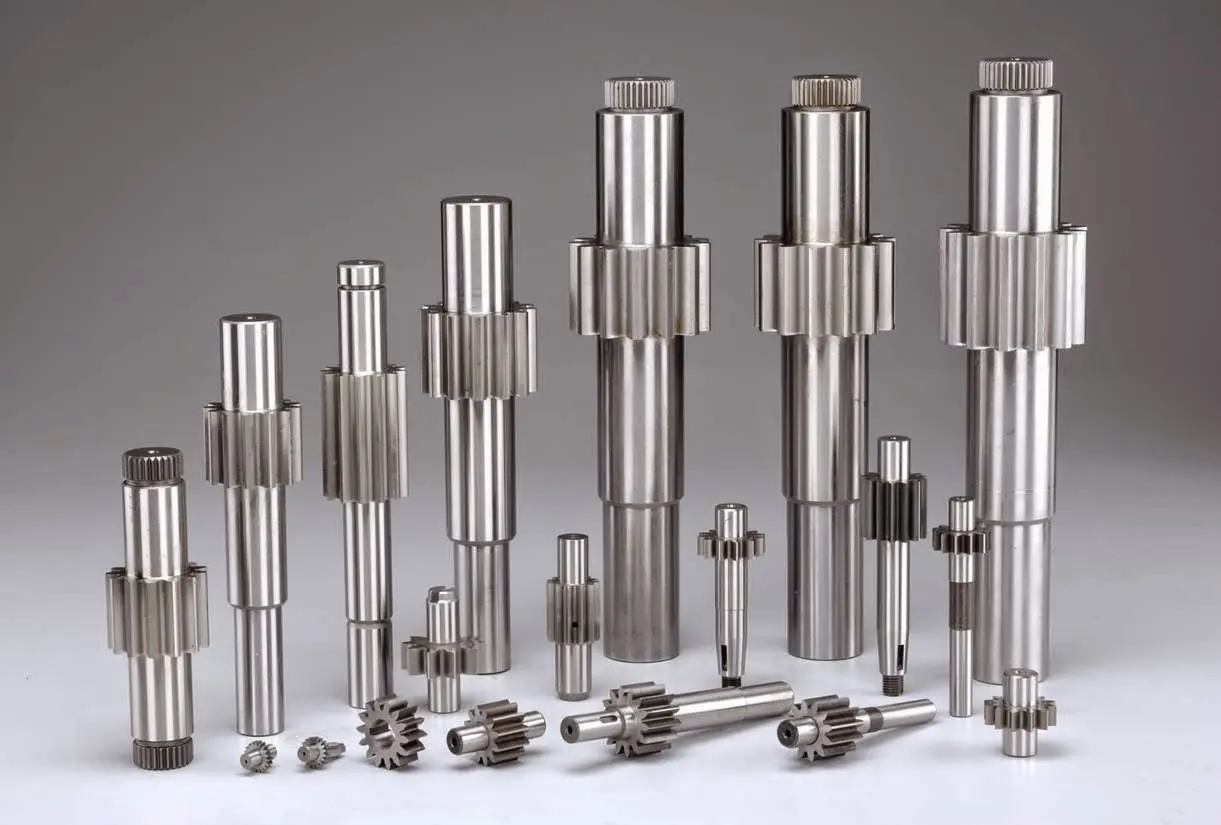
Gear shafts designed to transmit torque and support rotating components in gearboxes and drivetrains.
A shaft is a fundamental rotating machine element, meticulously engineered to transmit power and torque between various components within a mechanical system. At its core, it enables rotational motion and the transfer of mechanical energy.
A “gear shaft” specifically integrates additional functional features, such as precision-ground bearing journals, robust shoulders for axial retention, threading for assembly, keyways or splines for secure torque transfer, and often an integral pinion or gear section, all crafted to precise design specifications.
If you would like to better understand how gears and shafts work together in a transmission system, you may also read our related article, for additional technical guidance.
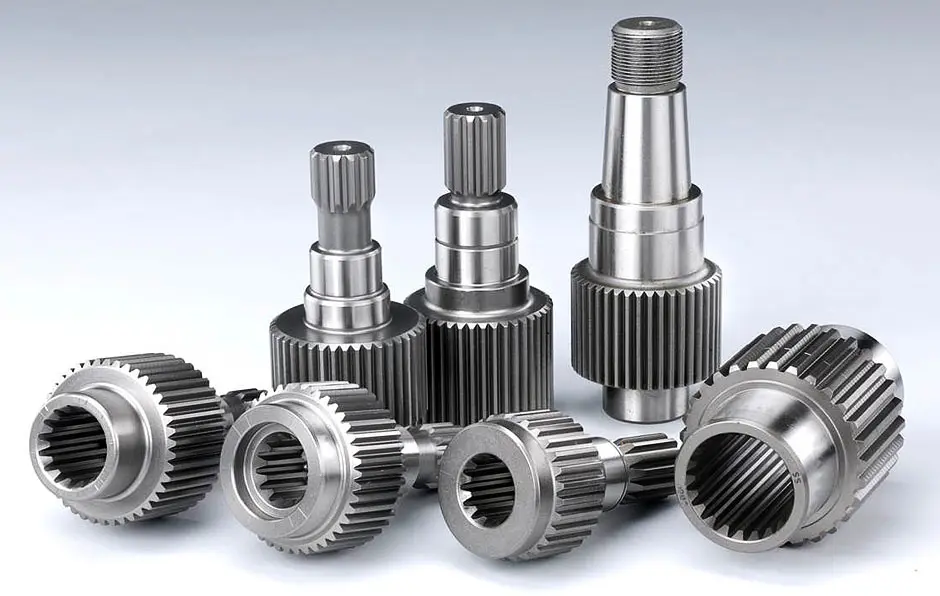
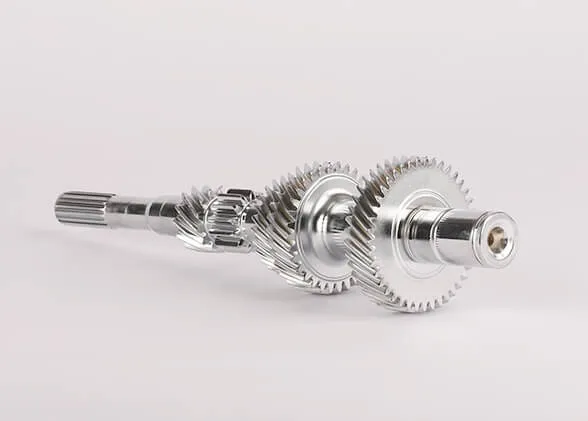
These shafts receive power from the prime mover, such as an engine or motor, and initiate the power transmission sequence within a gearbox.
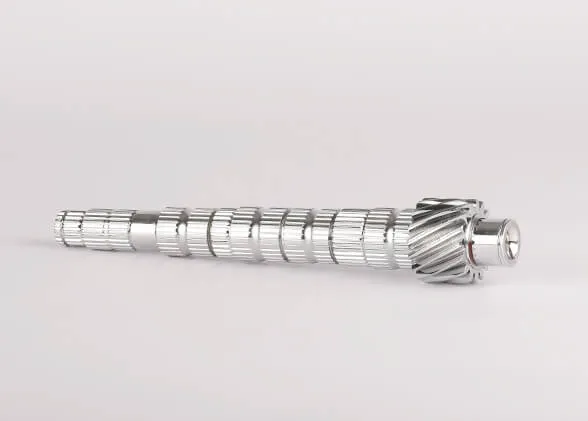
Output shafts deliver the modified power and torque from the gearbox to the driven component, typically at a different speed or direction.
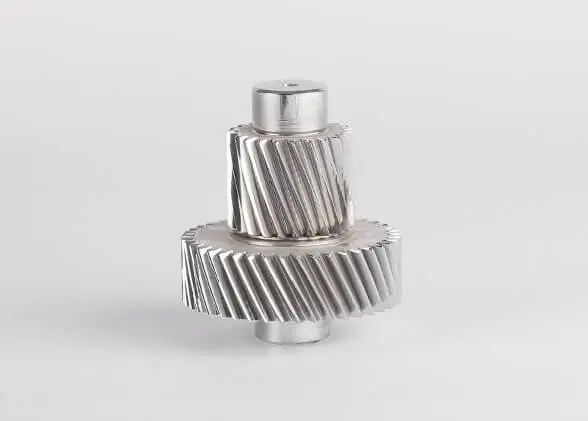
Often integrated with a small gear, pinion shafts mesh with larger gears to achieve specific gear ratios and torque multiplication.
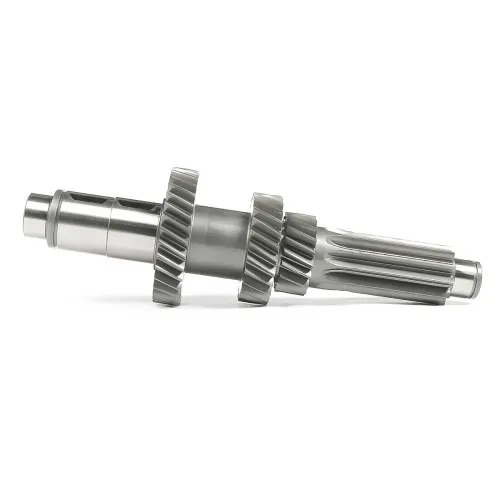
Integral to many gearbox layouts, countershafts facilitate intermediate gear meshing and contribute to the overall gear reduction and power flow within the system.
Our gear shafts are critical components in a wide array of systems, including agricultural gearboxes, robust industrial reducers, complex transmission assemblies, and various power transmission units, all designed per project-specific needs.
01
Provide 2D/3D CAD files, specifying desired quantity and target lead time. This allows for precise quotation and production planning.
03
Specify keyway or spline type (including standards and classes) and critical fit requirements. Involute splines for shaft/hub connections are commonly specified to ISO 4156, with available gauge-based inspection options.
05
Indicate material specifications (e.g., alloy steels, carbon steels) or provide duty cycle and lubrication environment details to recommend appropriate heat treatment.
02
Crucial inputs include overall length, precise journal diameters, accurate shoulder locations, and critical datums to define the shaft’s geometry.
04
Define runout, concentricity, and straightness requirements, along with surface finish and bearing-seat specifications. ISO 2768-2 covers general tolerances for form and position features where not individually specified.
06
Specify if an inspection report, hardness report, or case depth report is required. These are provided on request to ensure full traceability and quality assurance.
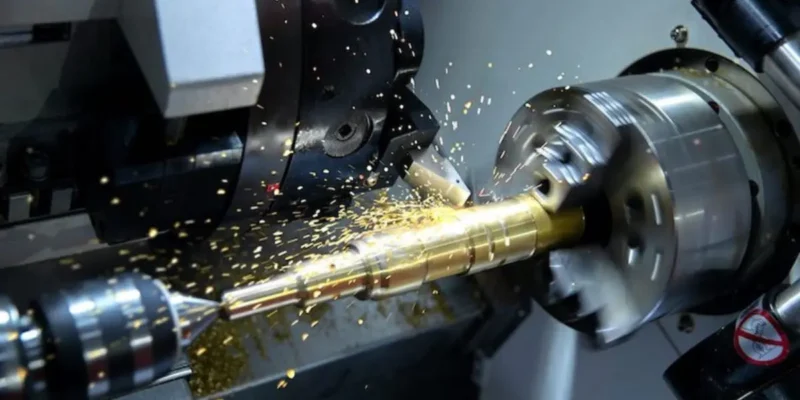
Our manufacturing process is meticulously designed to ensure precision and quality at every step, tailored to each shaft’s unique specifications. The final production route is contingent upon the provided drawing, specified tolerances, and required heat treatment.
Gear Shaft Production Process:Drawing review → Material/route planning → Blank (bar/forging as required) → CNC turning (datums, journals, shoulders) → Keyway/spline machining (as required) → Heat treatment (as required) → Finishing (grind/polish as required) → Final inspection → Rust protection → Packing & shipment
(Final route depends on drawing, tolerances, and heat-treat requirements.)
We offer a diverse range of material options and heat treatment processes, ensuring optimal performance and durability for every application.
We primarily utilize high-quality alloy steels and carbon steels, selected according to customer specifications and industry standards, providing the necessary strength and wear resistance.
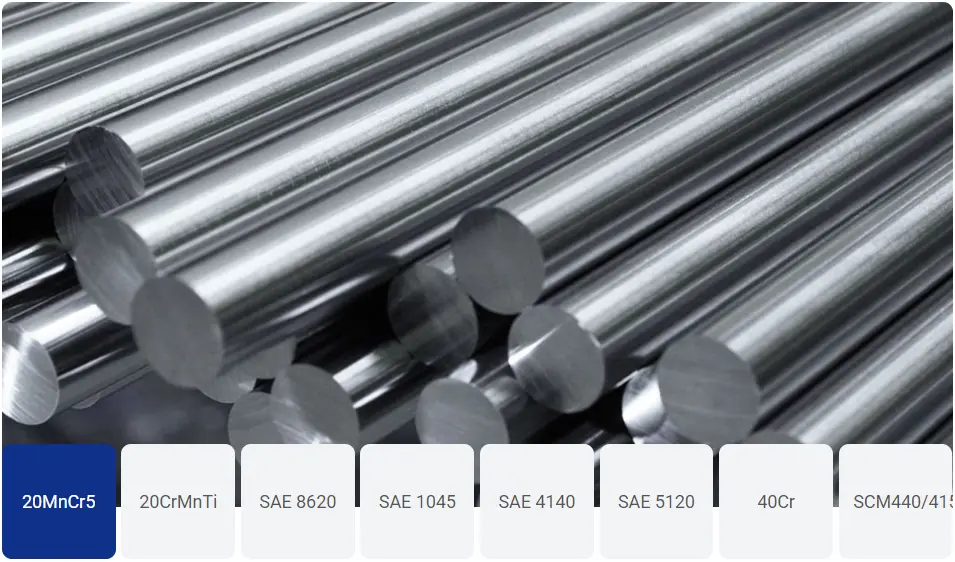
These processes are applied as required by the drawing and projected service conditions.
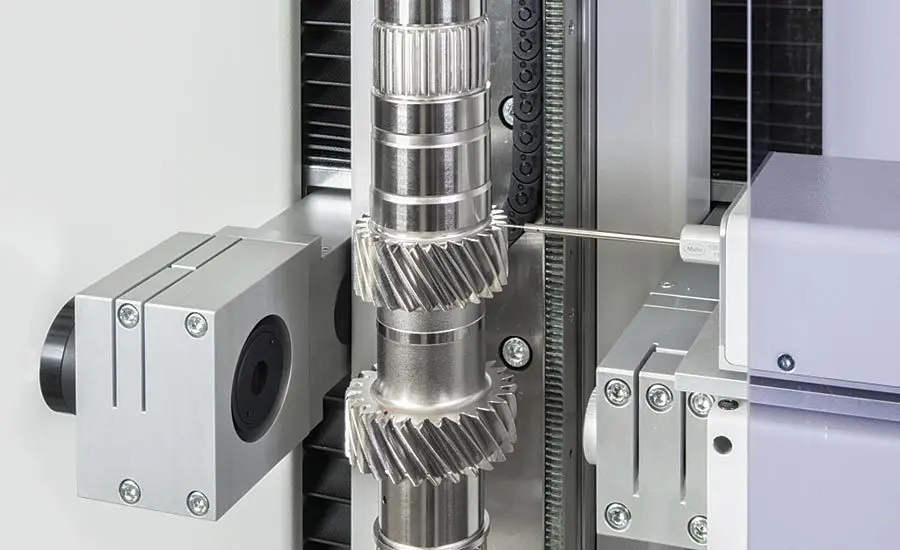
Rigorous dimensional inspection ensures all datums, journals, and shoulders meet precise specifications, verifying straightness and runout to prevent operational issues.
For shafts with integral gear features, gear geometry is meticulously checked against required accuracy systems, such as ISO 1328 for cylindrical gears, when applicable.
Keyways and splines undergo thorough verification using calibrated GO/NO-GO gauges or other specified inspection methods to ensure perfect fit and torque transmission.
Detailed inspection reports, including hardness and case depth analyses, are available upon request, providing full transparency and traceability for quality-critical components.
Our commitment to quality ensures that every gear shaft meets stringent industry standards and client expectations.
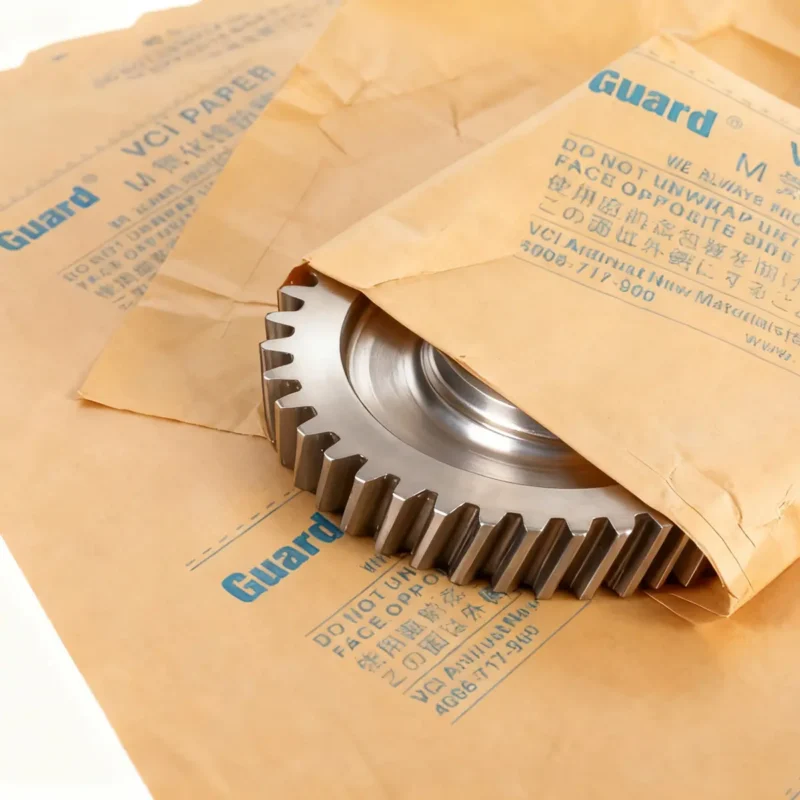
Each gear shaft undergoes a thorough rust protection treatment to safeguard against corrosion during transit and storage. This crucial step ensures that components arrive in pristine condition, ready for immediate integration into your assemblies.
Components are carefully packed using industry-standard methods, tailored to the size and fragility of the shafts, to prevent any physical damage or environmental exposure.