
Blogs, Bevel Gear
Bevel Gear Inspection Checklist Before Shipment
Jul
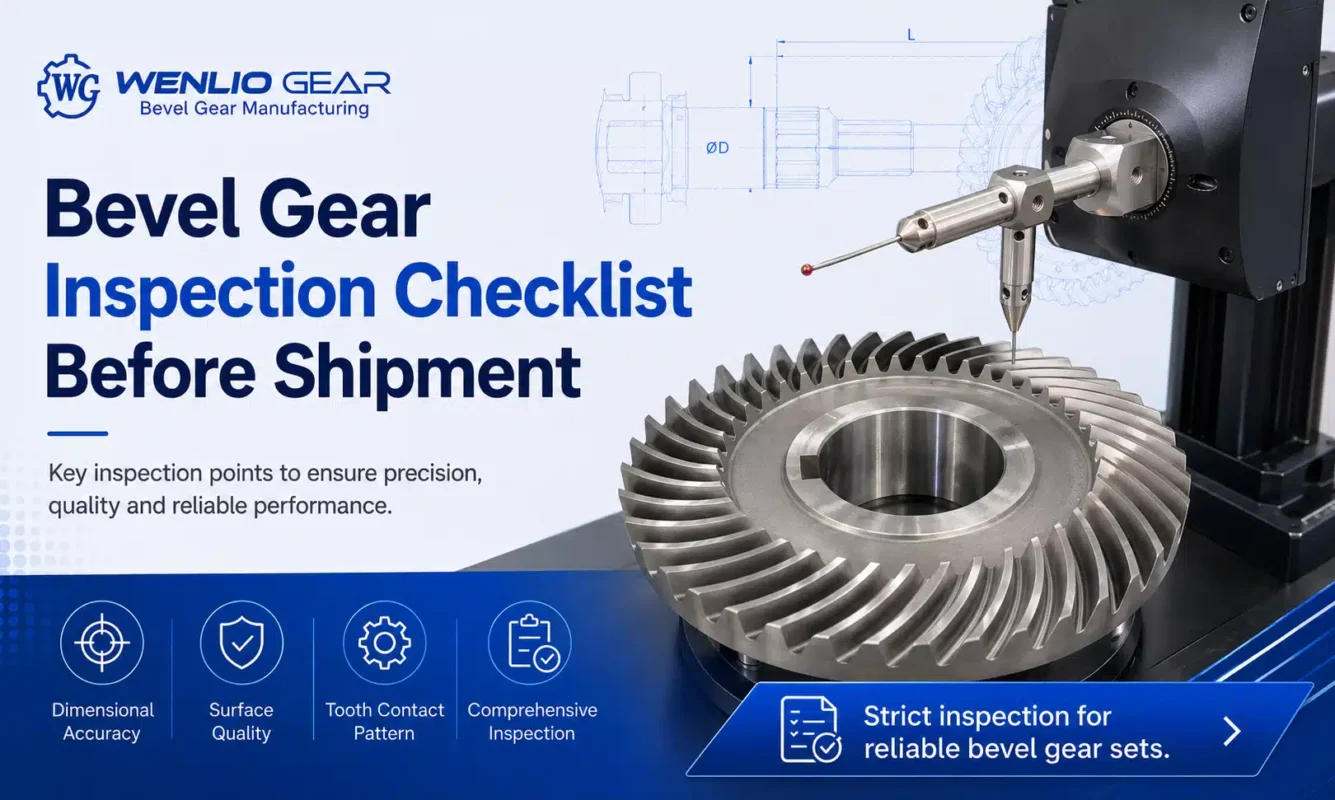
For bevel gear buyers, shipment inspection is not only about receiving a test report. It is also a way to confirm whether the gears are ready for assembly, whether the mating parts are clearly matched, and whether key risks have been reviewed before delivery.
For straight bevel gears, spiral bevel gears, hypoid gears, and matched bevel gear sets, the inspection scope should be agreed early. Dimensions, heat treatment, tooth condition, contact pattern, backlash, marking, and packaging can all affect how smoothly the parts move from supplier delivery to buyer acceptance.
Quick Answer: What Should Buyers Check Before Shipment?
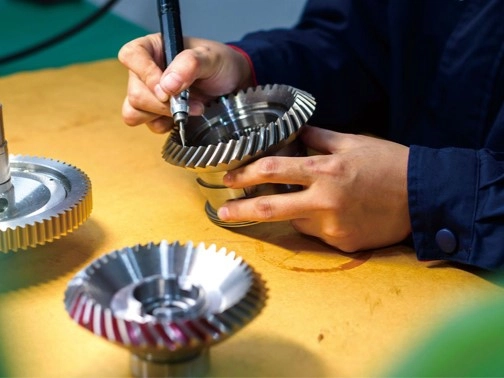
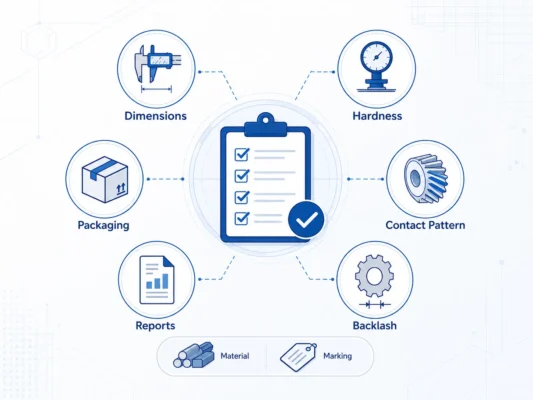
Before bevel gear shipment, buyers should review drawing revision, key dimensions, material, heat treatment, hardness, tooth accuracy, runout, contact pattern, backlash, surface condition, marking, reports, and packaging.
For matched gear sets, the pinion and gear should also be clearly identified as a pair. Contact pattern, backlash, and marking requirements are best confirmed before production, not added after the order is finished.
What Is a Bevel Gear Inspection Checklist?
A bevel gear inspection checklist is a practical reference used to align quality requirements, delivery standards, and documentation needs. It may cover dimensions, material, heat treatment, tooth accuracy, surface condition, gear-pair matching, reports, and packaging.
The goal is not to make every project overly complex. A standard part may only require basic dimensional inspection, surface review, and hardness confirmation. A high-load, replacement, or matched-pair project may need extra checks such as contact pattern, backlash, runout, tooth profile, or inspection records.
For Wenlio as a custom gear supplier, a clear checklist helps arrange the right production and quality control process from the beginning, instead of discovering different expectations close to delivery.
Why Bevel Gear Inspection Matters Before Delivery
Bevel gears are often judged as part of a working pair, not only as individual components. Final performance may be affected by mounting distance, backlash, heat treatment distortion, tooth surface quality, and assembly conditions.
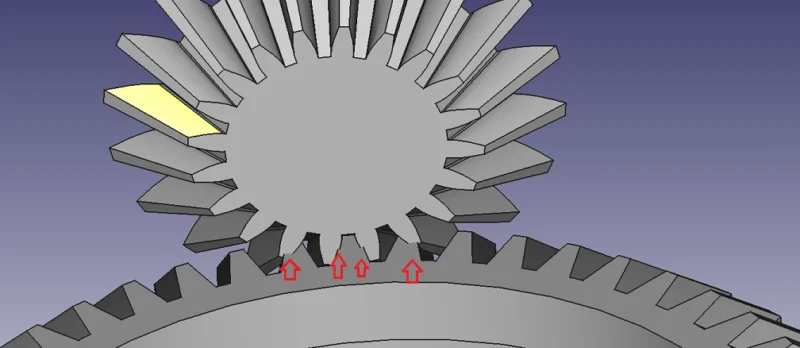
Some risks are difficult to see from appearance alone. A gear may look finished, but problems such as shifted contact pattern, unsuitable backlash, unclear pair marking, inconsistent hardness requirements, or poor packaging can still cause trouble after arrival.
A pre-delivery review moves these issues to an earlier stage. It cannot guarantee that every assembly condition at the buyer’s site will be perfect, but it helps both sides align part condition, report scope, and acceptance expectations.
Key Items in a Bevel Gear Inspection Checklist
The table below can be used as a basic reference. The final scope should depend on drawings, application, accuracy requirements, and buyer acceptance standards.
| Inspection Item | What to Review | Why It Matters |
| Drawing revision | Drawing version, key dimensions, and tolerances | Avoids production or inspection based on outdated files |
| Material | Material grade, blank condition, certificate requirements | Affects strength, heat treatment, and service life |
| Heat treatment | Carburizing, quenching, tempering, or hardness range | Affects wear resistance and load capacity |
| Hardness | Surface hardness, core hardness, and testing position | Avoids judging quality from one value only |
| Key dimensions | Bore, outside diameter, face width, mounting references | Affects assembly and interchangeability |
| Tooth accuracy | Tooth profile, lead, pitch, or related accuracy requirements | Affects meshing stability |
| Runout | Radial runout, face runout, or datum runout | Affects rotational stability |
| Contact pattern | Contact area position and shape | Helps review gear-pair meshing risk |
| Backlash | Meshing clearance between paired gears | Affects assembly, temperature, and running condition |
| Surface condition | Burrs, dents, cracks, oxidation, or tooth surface defects | Affects use and acceptance |
| Marking | Part number, batch number, matched-pair marking | Supports traceability and assembly |
| Packaging | Rust prevention, separation, impact protection, labeling | Reduces transport damage |
Not every item needs a full report. A practical approach is to match the inspection depth with project risk. Standard parts may need basic confirmation, while high-load gears, matched sets, and sample-based projects often need more detailed review.
What Buyers Should Confirm for Matched Bevel Gear Sets
For matched bevel gear sets, single-part dimensions are not enough. The pinion and gear need to work together. If the pair relationship is unclear, each part may look acceptable separately, but the assembly may still show contact or meshing problems.
Buyers should clarify whether the pair needs contact pattern checking, backlash confirmation, matched numbering, batch traceability, or first-article approval. Rotation direction, load direction, and mounting distance should also be shared when they are relevant to the application.
Replacement projects need extra care. A worn sample may no longer show the original geometry clearly. When possible, buyers should provide both mating parts, assembly photos, equipment information, and visible wear marks.
Common Inspection Mistakes Buyers Should Avoid
Many delivery problems do not come from a complete lack of inspection. Instead, they often start when buyers and suppliers do not define inspection expectations clearly enough.
For example, buyers may compare price and lead time without comparing the inspection scope behind each quotation. One supplier may only include basic dimensional checks, while another may also include hardness testing, tooth inspection, contact pattern review, or formal inspection reports. In practice, these quotations do not cover the same technical scope.
Another common issue appears when buyers simply ask for an “inspection report” but do not explain what the report needs to include. Some projects only require a dimensional report, while others also need a material certificate, hardness record, heat treatment record, or contact pattern evidence. Because these items affect workload, cost, and delivery preparation, buyers and suppliers should confirm them during the RFQ stage.
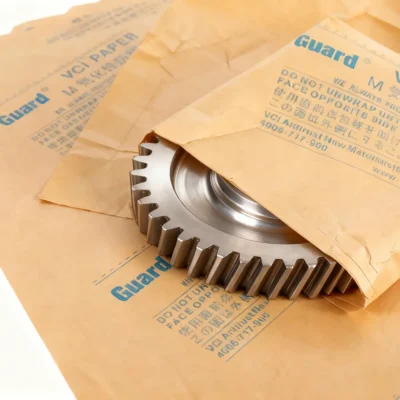
In addition, packaging deserves attention before shipment. Transport can damage bevel gear teeth and edges, especially after finishing or heat treatment. Therefore, the delivery review should include rust prevention, individual separation, clear labeling, and impact protection.
Sample-based projects also need a different review process from drawing-based orders. Old parts may already show wear, missing details, or dimensional changes, which makes accurate reverse engineering more difficult. For this reason, buyers and suppliers should check key dimensions, mating relationships, and inspection records more carefully before shipment.
Buyer Confirmation Checklist Before Production and Shipment
This checklist is useful for procurement and quality teams before placing an order, approving samples, or releasing shipment.
| Stage | What to Confirm | Recommended Action |
| RFQ stage | Drawing revision, material, heat treatment, quantity, application | Confirm inspection requirements together with quotation |
| Sample stage | Key dimensions, tooth surface condition, hardness, assembly feedback | Approve samples before batch production |
| Matched-pair project | Contact pattern, backlash, pair numbers | Require clear matched-pair marking |
| Report requirements | Dimensional, hardness, material, heat treatment, or other records | Specify report type and format in advance |
| Pre-delivery review | Appearance, marking, quantity, packaging, rust prevention | Request photos or inspection records if needed |
| After receiving | Package condition, part marking, visible transport damage | Provide photos quickly if any issue is found |
For cross-border sourcing, repeating inspection after delivery usually costs more time than confirming the scope before production.
What to Send Wenlio Before Bevel Gear Production
To help Wenlio arrange production and inspection more accurately, buyers can provide:
- 2D drawings or 3D models
- Drawing revision and key tolerances
- Material, heat treatment, and hardness requirements
- Gear type and mating gear relationship
- Sample photos or physical samples
- Mounting distance, backlash, and application equipment information
- Annual demand, sample quantity, and target lead time
- Requirements for dimensional reports, hardness reports, material certificates, or contact pattern records
- Packaging, rust prevention, labeling, and shipping requirements
When information is incomplete, buyers can start with existing drawings, old sample photos, OEM numbers, or application descriptions. Wenlio can review the available details first and suggest what needs to be confirmed next.
Why Choose Wenlio for Bevel Gear Inspection Support?
Wenlio works on custom bevel gears and precision transmission components, including straight bevel gears, spiral bevel gears, hypoid gears, miter bevel gears, crown bevel gears, matched bevel gear sets, and custom gear shafts.
During project evaluation, Wenlio reviews drawings, samples, material, heat treatment, accuracy requirements, mating gear relationship, and inspection needs before recommending a suitable production route.
For standard projects, basic dimensional and surface inspection may be enough. For high-load gears, matched-pair applications, or replacement projects, more targeted checks may be recommended. The goal is not to add unnecessary cost, but to help buyers understand what has been checked and what still needs attention during assembly.
FAQ
Q1: What should be included in a bevel gear inspection checklist?
A bevel gear inspection checklist may include drawing revision, material, heat treatment, hardness, key dimensions, tooth accuracy, runout, contact pattern, backlash, surface condition, marking, reports, and packaging.
Q2: Do all bevel gear projects need contact pattern inspection?
Not always. Standard projects may only need dimensional and surface inspection. Matched bevel gear sets, high-load gears, replacement parts, and sample-based projects are more likely to benefit from contact pattern and backlash checking.
Q3: What inspection reports should buyers request?
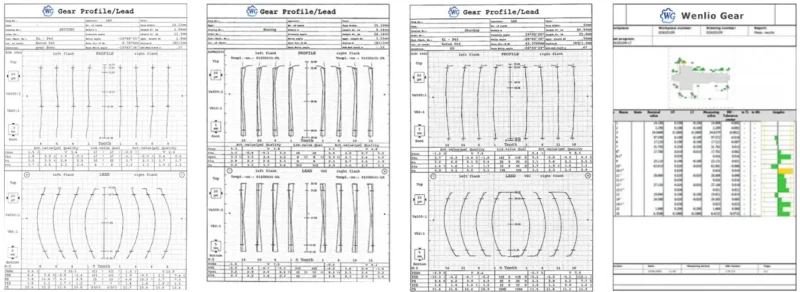
It depends on the project. Common documents include dimensional reports, hardness records, material certificates, heat treatment records, tooth profile or lead inspection, and contact pattern records when needed.
Q4: Why is packaging part of bevel gear inspection?
Poor packaging may lead to rust, tooth damage, mixed parts, or unclear marking during transport. Rust prevention, individual separation, labeling, and outer protection help reduce delivery disputes.
Q5: Can Wenlio quote if the buyer only has a sample?
Yes, Wenlio can make an initial review from a sample. For better evaluation, buyers should also provide sample photos, key dimensions, mating gear details, application equipment, assembly position, and visible wear condition when possible.
Conclusion
Bevel gear inspection before shipment helps confirm drawing requirements, material, heat treatment, key dimensions, gear-pair condition, reports, marking, and packaging before the parts leave the supplier.
For custom bevel gears, matched bevel gear sets, spiral bevel gears, and hypoid gears, inspection requirements should be defined before production instead of added after the order is completed. Contact us to send your drawing, sample, mating gear information, and inspection requirements for a practical manufacturing and shipment review.
