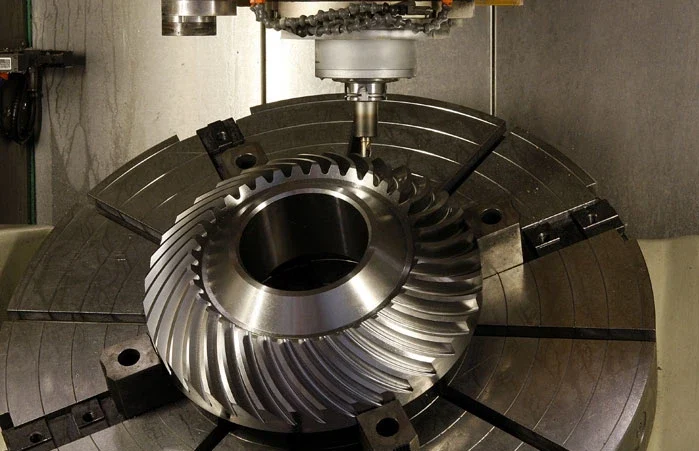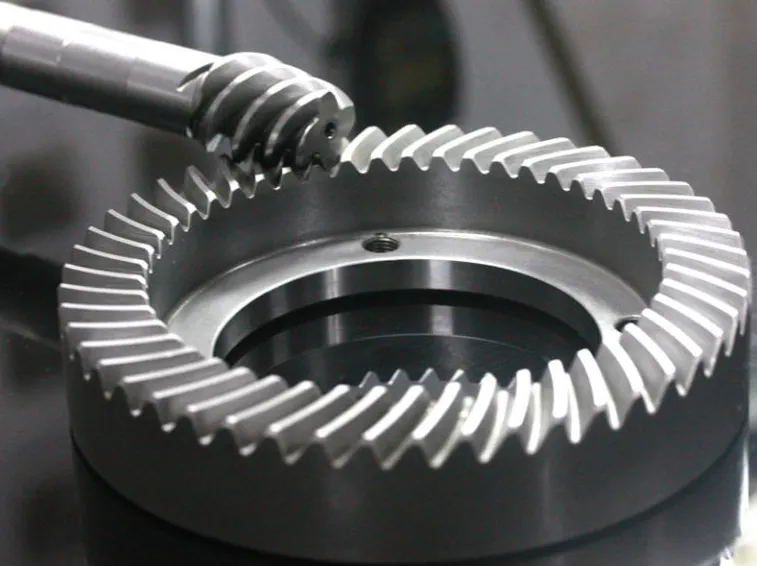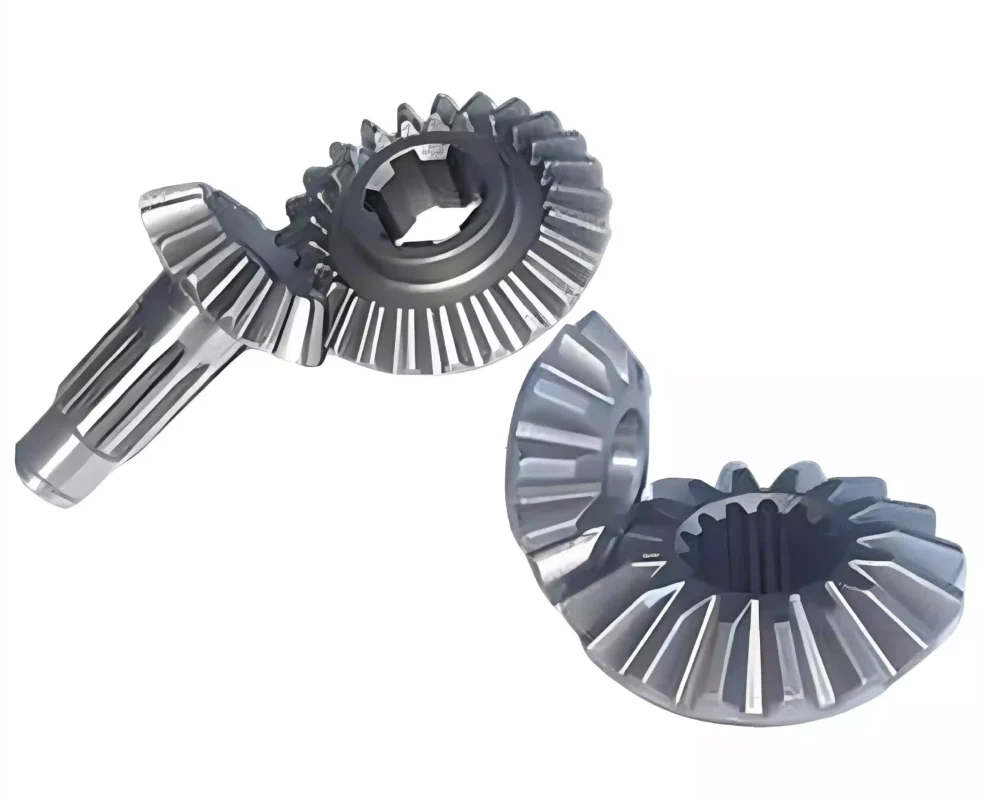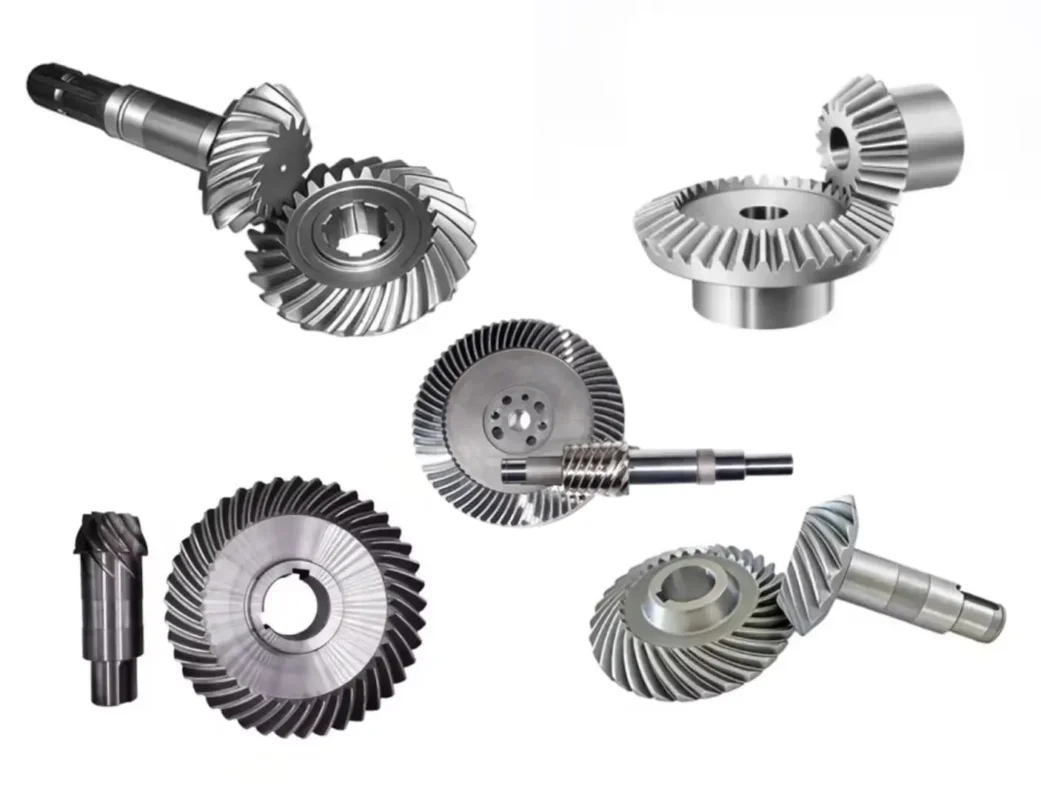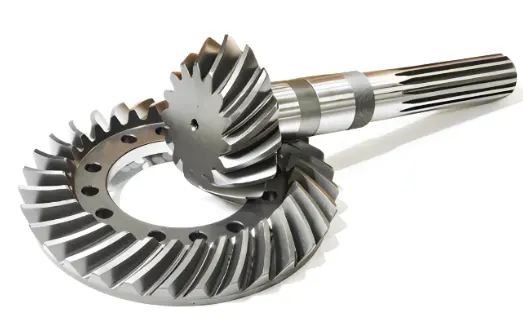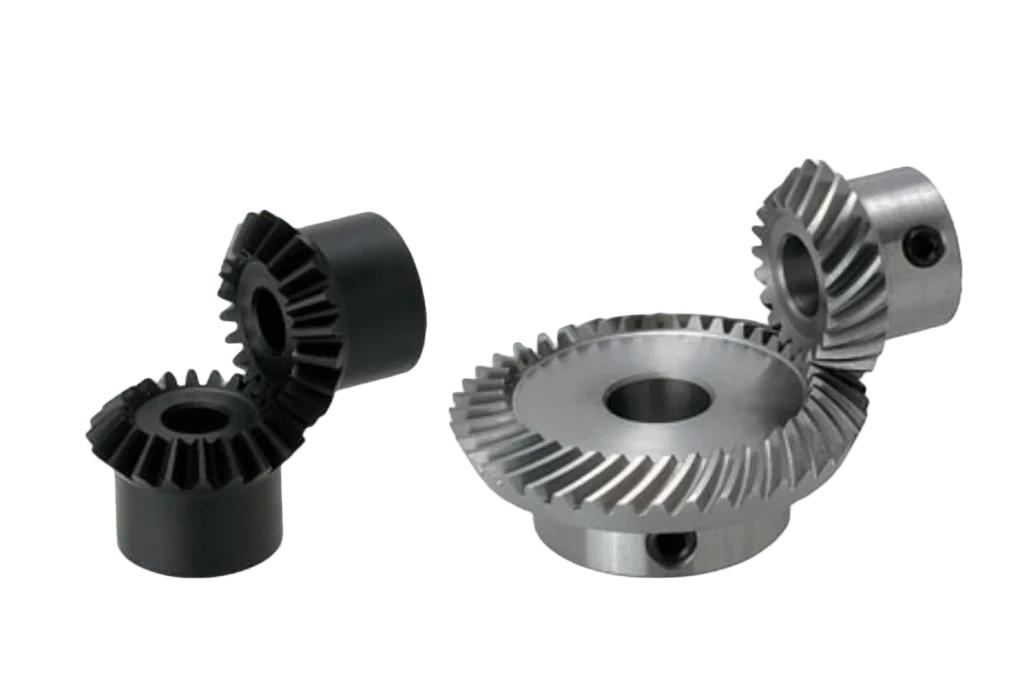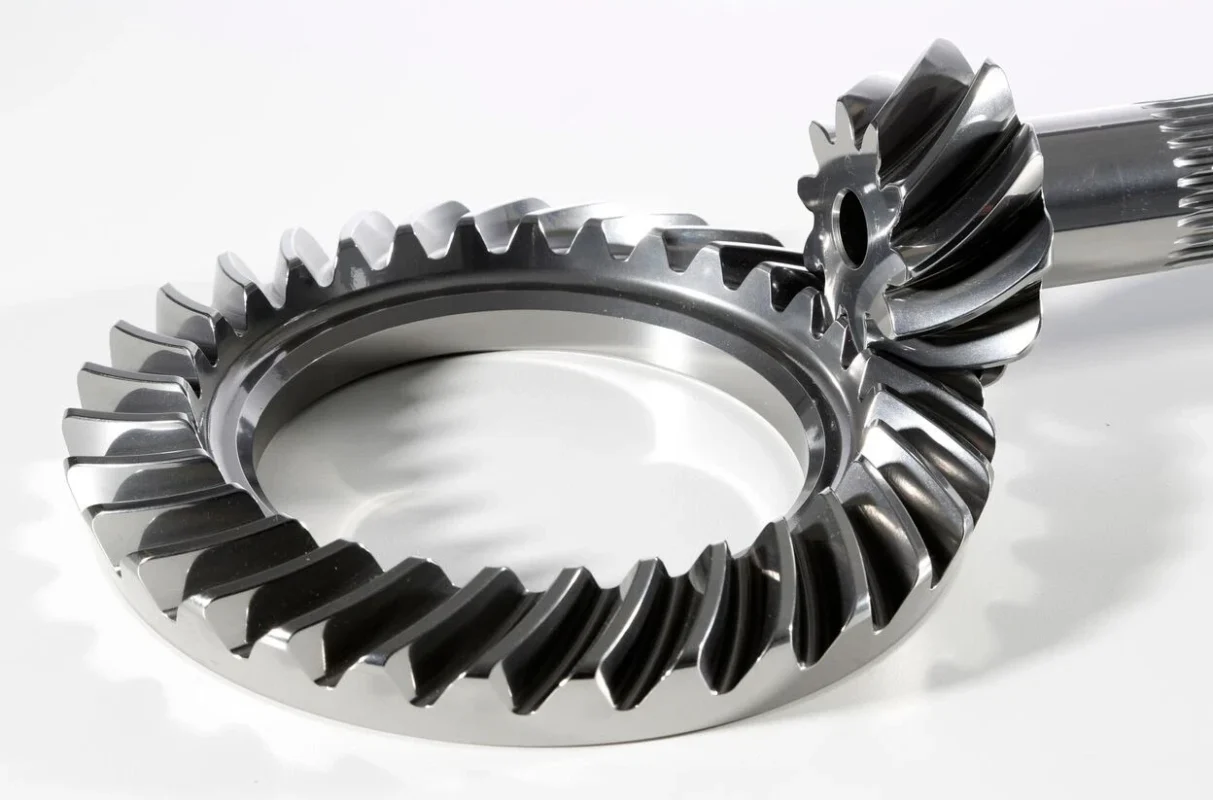
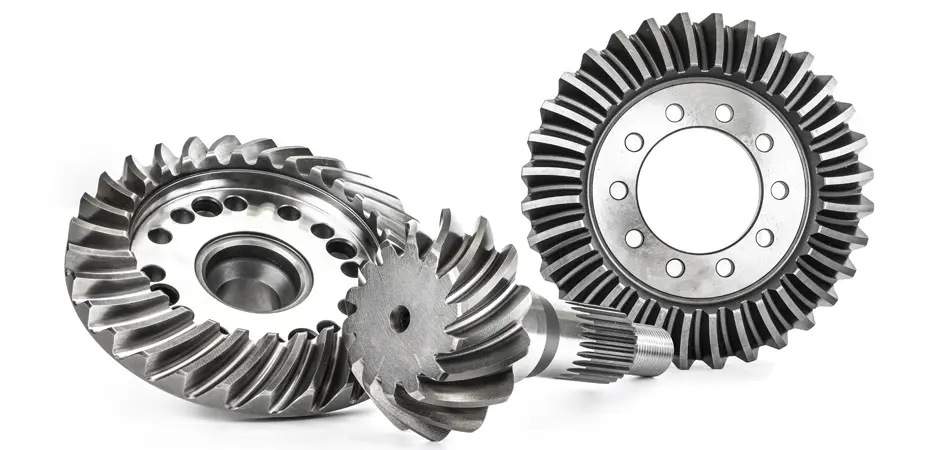
Introduction Straight bevel gears and spiral bevel gears both transfer power between shafts that meet at an angle, often 90 degrees. The main difference is easy to see: straight bevel gears have straight teeth, while spiral bevel gears have curved teeth. But in real use, this small difference changes a lot. It affects how the […]
Category Archives: Bevel Gear
Looking for a reliable bevel gear factory? Explore our offerings to find top-notch bevel gears for various applications today.
Introduction In a bevel gear project, the module is usually one of the first numbers checked on the drawing. It tells engineers how large the teeth are, but its influence goes further than size. Module also affects pitch diameter, tooth strength, machining route, contact behavior, and whether the gear pair can run smoothly after assembly. […]
Introduction At Wenlio Gear, bevel gears are not treated as generic machine parts. They are built for working conditions where contact stability, low noise, and repeatable torque transmission matter. That is why the manufacturing discussion usually starts with the application itself. A tractor axle, a truck differential, a construction gearbox, and a compact industrial reducer […]
Introduction Hypoid gears often come up in the same discussions as bevel gears, especially in automotive, off-highway, and compact right-angle transmission systems. At first glance, they look close enough to spiral bevel gears that many buyers and even some non-specialist engineers group them together. In practice, though, once shaft offset enters the design, the gearset […]
Introduction In bevel gear projects, “pitch diameter” looks like a simple term, but it causes more confusion than many buyers expect. One drawing may show a large-end pitch diameter. A strength calculation may use the mean-end section instead. A field engineer may talk about the operating pitch diameter after assembly. All three are related, but […]
Introduction Spiral bevel gears are used when a drive needs to turn power smoothly through an angle, usually in a compact space. You will find them in axle drives, agricultural machines, construction equipment, electric vehicle reducers, and many other right-angle transmission systems. On a drawing, the gear may look straightforward. In real projects, though, a […]
Introduction On a drawing, a bevel gear set looks straightforward: two shafts change direction and transmit torque through the gear mesh. In actual equipment, things are rarely that simple. Gear performance is affected not only by geometry, but also by load impact, lubrication condition, housing rigidity, mounting distance, backlash, and heat treatment variation. These factors […]
Introduction Surface roughness sounds like a small detail, but on bevel gears it often becomes a real performance issue. A bevel gear may meet drawing dimensions, pass basic tooth geometry checks, and still run noisy, hot, or show early wear if the tooth surface condition does not match the application. That is especially true in […]
Introduction Many engineers know bevel gears. Fewer people use the term “miter gear” daily, so it can create confusion in RFQs and drawings. Some teams treat “miter gear” as a special product line, while others assume it simply means “a bevel gear at 90°.” In practice, a miter gear is a specific subset of bevel […]
Introduction Helical vs spiral gears is a common comparison in drivetrain discussions, but the term “spiral gear” can mean different things in practice. In many right-angle applications, buyers use “spiral gear” to mean a spiral bevel gear set. In other contexts, it may refer to crossed helical (skew) gears. At Wenlio Gear, we see this […]