
Blogs, Bevel Gear
How High-Precision Bevel Gears Improve Equipment Performance
Aug
Introduction
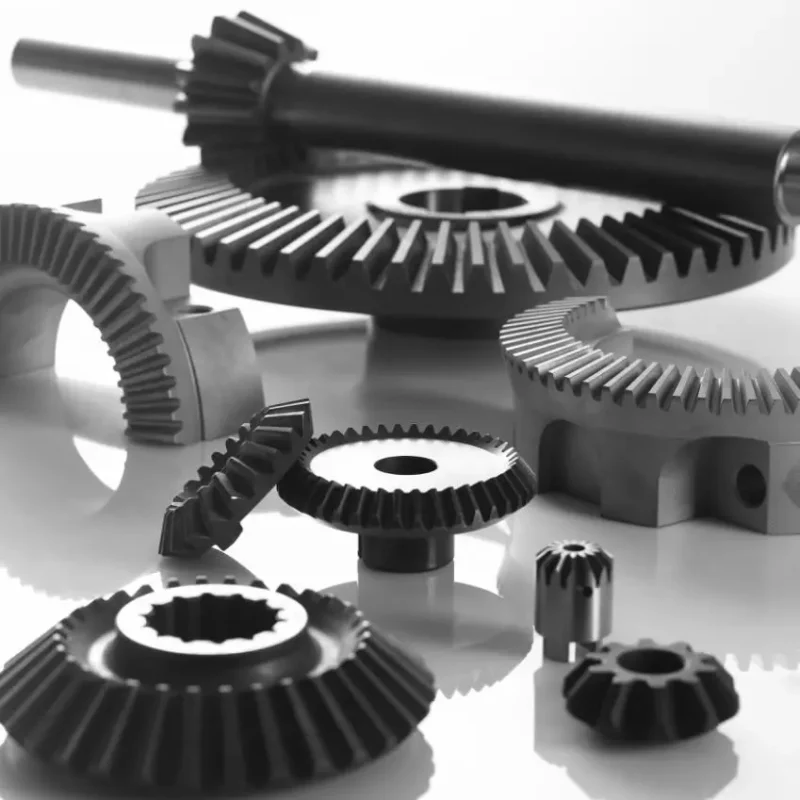
In many mechanical systems, bevel gears are responsible for changing the direction of power transmission, often between shafts arranged at an angle. This makes them important in agricultural machinery, heavy-duty trucks, construction equipment, electric vehicles, and industrial automation systems. Bevel gears are widely used when torque needs to be transferred between intersecting shafts, commonly at 90 degrees.
However, not every bevel gear performs the same way. A gear with poor tooth accuracy, unstable heat treatment, or improper contact pattern may still rotate, but it can bring noise, vibration, heat, premature wear, and unexpected downtime. That is why high precision is not only a technical requirement—it is directly related to machine reliability.
Why Precision Matters in Bevel Gears
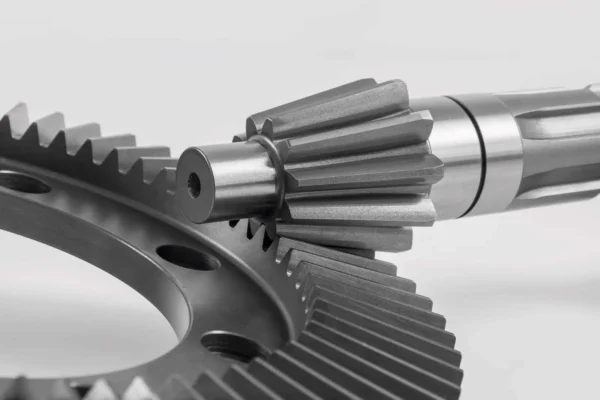
A bevel gear does more than simply transmit motion. It must carry load smoothly across the tooth surface. If the tooth contact is too concentrated or the backlash is not controlled properly, the gear may suffer from uneven wear, noise, or early failure.
High-precision bevel gears help keep tooth contact more stable. This supports smoother torque transfer and reduces the risk of edge loading. In real machinery, this is especially important because gears often work under shock loads, speed changes, dust, heat, and long operating hours.
For example, a gear used in a tractor drive system may face mud, vibration, and sudden load changes. A bevel gear used in an electric drive system may need tighter noise control because the motor itself is much quieter. Different machines have different demands, but the same rule applies: better gear accuracy helps the system run more predictably.
Key Ways High-Precision Bevel Gears Improve Performance
1. Smoother Torque Transfer
When the tooth geometry is controlled accurately, the gear pair can mesh more smoothly. This helps reduce impact during tooth engagement and supports stable power transmission.
For equipment that works continuously, smoother meshing can also reduce stress on connected components such as shafts, bearings, and housings.
2. Better Load Distribution
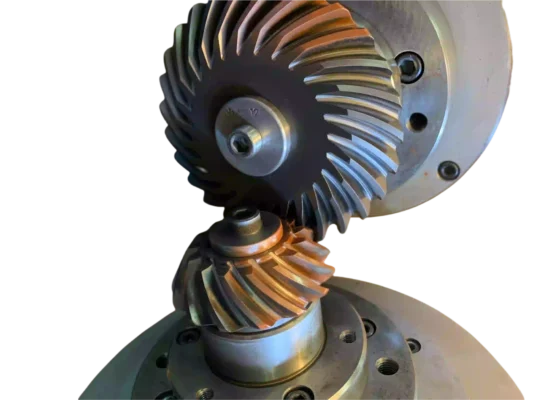
One of the most important goals in bevel gear manufacturing is to control the contact area. If the load is concentrated on a small area of the tooth, local stress increases. Over time, this may lead to pitting, wear, or tooth damage.
High-precision manufacturing helps the contact pattern stay closer to the intended position. This allows the load to spread more evenly across the working tooth surface and improves long-term durability.
3. Lower Noise and Vibration
Gear noise often comes from tooth errors, poor contact, incorrect backlash, or unstable assembly conditions. In applications such as electric vehicles, automation equipment, and enclosed drive systems, noise control becomes more noticeable because the surrounding system may be quieter. Wenlio’s related content also highlights noise and vibration control as one of the key reasons precision matters in bevel gears.
Precision bevel gears can help reduce gear whine and vibration when they are matched with correct mounting distance, proper lubrication, and stable assembly.
4. Longer Service Life
A durable bevel gear is not only about using strong material. It also depends on the whole process: material selection, forging or blank preparation, cutting, heat treatment, finishing, and inspection.
If each step is controlled well, the final gear can better resist fatigue, wear, and deformation. For buyers, this means fewer unexpected replacements and more stable equipment operation.
Where High-Precision Bevel Gears Are Commonly Used
| Application | Why Precision Matters |
|---|---|
| Agricultural machinery | Handles dust, shock loads, and long working hours |
| Heavy-duty trucks | Supports torque transfer, durability, and smoother drivetrain operation |
| Construction equipment | Works under high load, vibration, and harsh jobsite conditions |
| Electric vehicles | Requires stable meshing and better noise control |
| Industrial automation | Needs repeatable motion, compact layout, and reliable transmission |
What Buyers Should Check Before Customization
Before starting a custom bevel gear project, buyers should not only provide basic dimensions. The following details are also important:
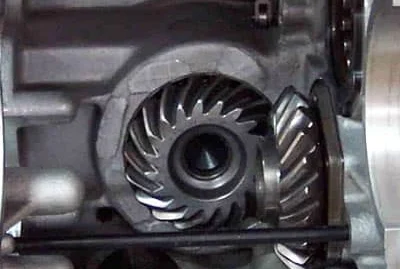
- Gear type: straight bevel, spiral bevel, hypoid, or zerol bevel gear
- Material and heat treatment requirements
- Tooth accuracy grade or inspection standard
- Mounting distance and backlash requirement
- Load, speed, and working environment
- Sample, drawing, or existing gear reference
- Inspection needs, such as contact pattern, hardness, runout, and tooth profile report
Clear information helps the supplier choose the right manufacturing route and avoid repeated revisions during sampling.
How Wenlio Supports Custom Bevel Gear Projects
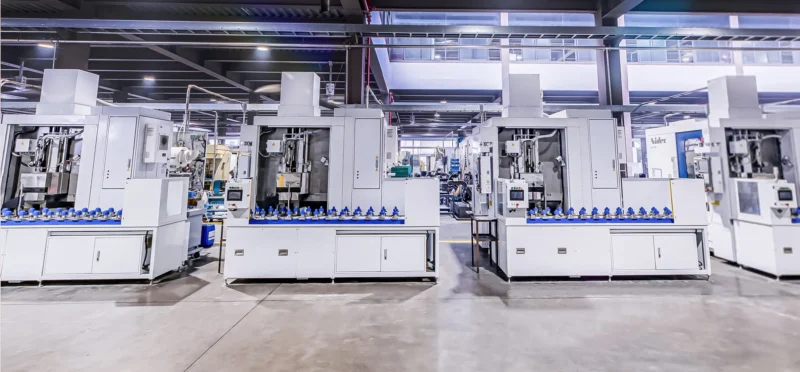
Wenlio Gear focuses on custom precision gears for demanding transmission applications. For bevel gear projects, the team can support drawing review, sample development, machining process planning, heat treatment control, finishing, and inspection.
Instead of treating bevel gears as simple standard parts, Wenlio pays attention to the complete working condition of the gear pair. This includes tooth contact, assembly accuracy, material strength, surface condition, and long-term performance requirements.
Conclusion
High-precision bevel gears help mechanical equipment work more smoothly, carry load more reliably, and reduce the risk of noise, wear, and early failure. For machinery used in agriculture, trucks, construction equipment, EVs, and automation, gear precision is closely connected to real operating performance.
If you are developing a new bevel gear project or improving an existing transmission system, Wenlio Gear can help review your drawing, sample, application conditions, and inspection requirements to provide a practical custom gear solution.
Related Products
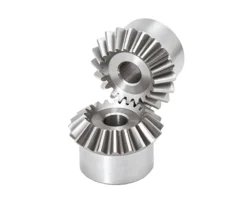
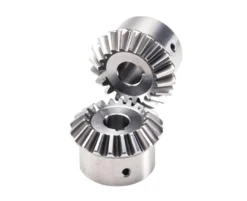
Miter Bevel Gears
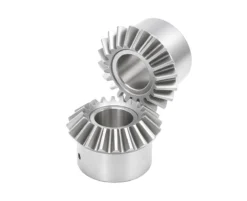
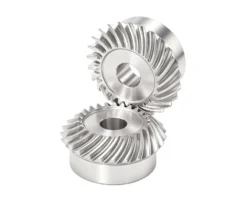
Miter Bevel Gears
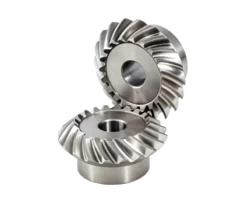
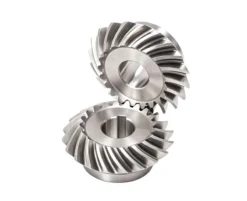
Miter Bevel Gears
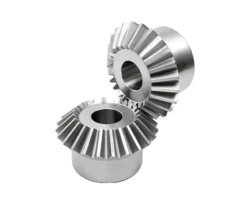
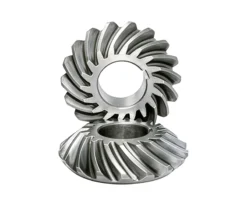
Miter Bevel Gears
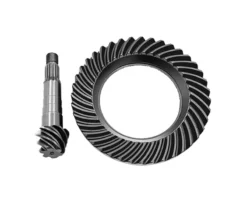
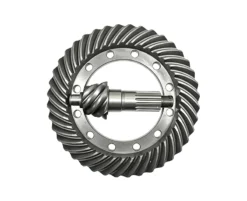
Crown Bevel Gears
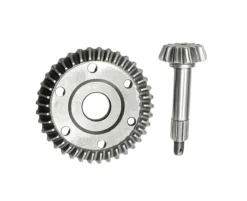
Crown Bevel Gears
Crown Bevel Gears
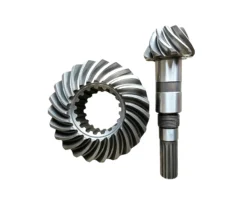
Crown Bevel Gears

There’s a quiet wisdom in every sentence, as though each word is carefully selected to provide just the right amount of insight.