
Blogs
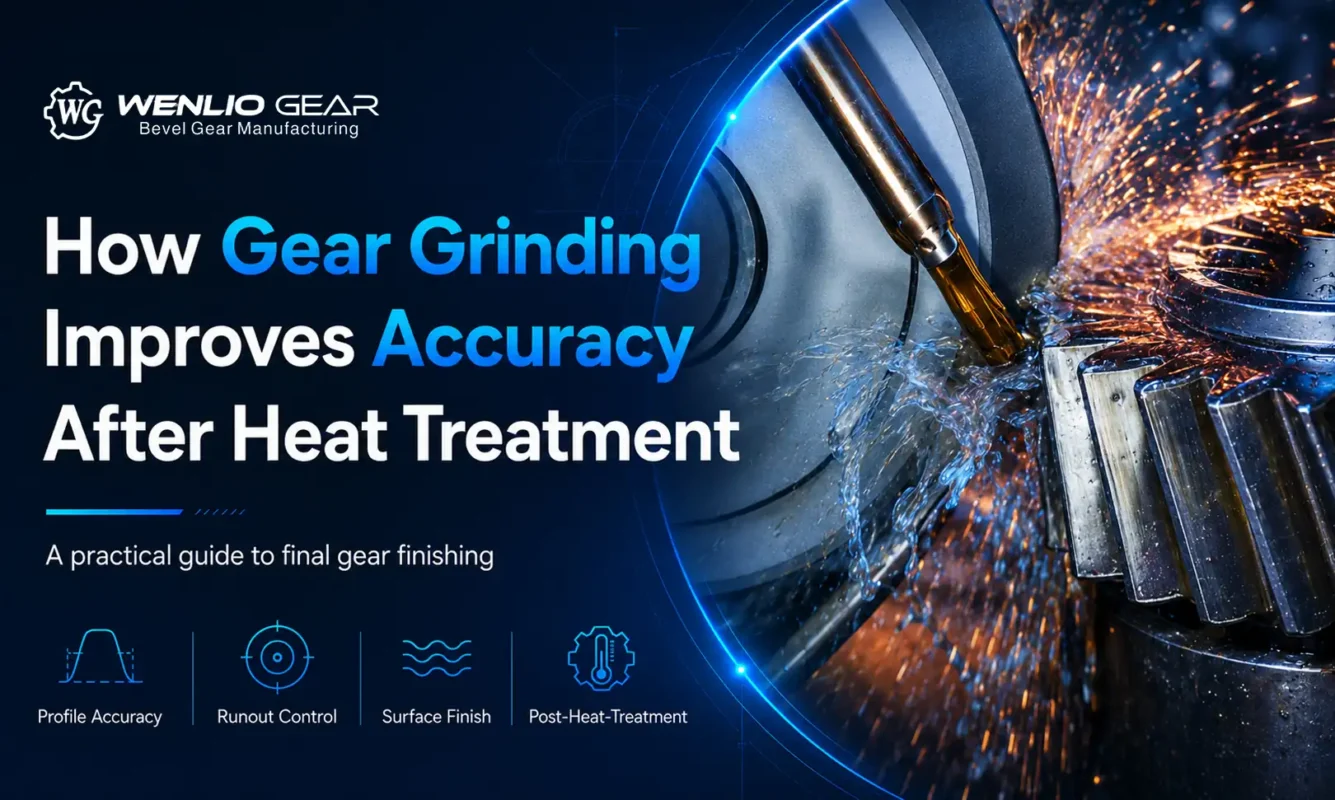
How Gear Grinding Improves Accuracy After Heat Treatment
Jun
Introduction
In custom gear projects, heat treatment is an important step for improving hardness, wear resistance, and load capacity. For gears that require carburizing, surface hardening, quenching and tempering, or nitriding, the material performance can be improved, but the part may also experience slight changes in size, tooth geometry, and reference surfaces.
This is why many precision gears are not finished to their final condition before heat treatment. Instead, gear grinding is often arranged after heat treatment. The purpose of grinding is not simply to make the tooth surface look smoother. It helps improve tooth profile, lead accuracy, runout control, and surface quality. For buyers, understanding this process can make it easier to evaluate quotations, lead time, and inspection requirements.
What Is Gear Grinding After Heat Treatment?
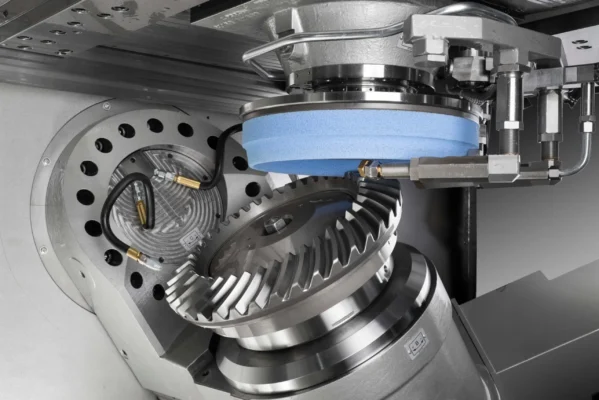
Gear grinding is a common finishing process used after heat treatment. A gear is first cut by hobbing, shaping, milling, or another tooth-cutting process, and then heat treated according to the drawing or application requirements. After heat treatment, grinding removes the reserved finishing allowance and helps bring the gear closer to its final design accuracy.
In real production, not every gear needs grinding. The decision depends on accuracy grade, load, speed, heat treatment method, and application conditions. For ordinary low-speed gears, grinding may not be necessary. But for high-precision, high-load, or assembly-sensitive gear projects, grinding after heat treatment is often an important step for final quality control.
Why Heat Treatment Can Affect Gear Accuracy
During heat treatment, gears go through heating, holding, and cooling. Because of material thickness, part structure, tooth width, bore size, fixture method, and cooling speed, slight distortion may occur. Common changes include tooth profile deviation, lead deviation, increased runout, bore movement, or unstable tooth surface condition.
These changes may not be visible by eye, but they can affect assembly and performance. For example, lead deviation may cause uneven contact across the tooth width. Excessive runout may affect rotational stability. Poor surface condition may also influence lubrication and service life.
| Common Change After Heat Treatment | Possible Effect | How Gear Grinding Helps |
| Slight tooth profile change | Less stable meshing | Corrects profile deviation |
| Lead deviation | Uneven load across tooth width | Improves contact distribution |
| Increased runout | Lower assembly and rotation stability | Improves final geometric accuracy |
| Rough tooth surface | Higher lubrication and wear risk | Improves surface condition |
| Change in hardened allowance | Harder final size control | Helps reach final machining size |
How Gear Grinding Improves Gear Accuracy
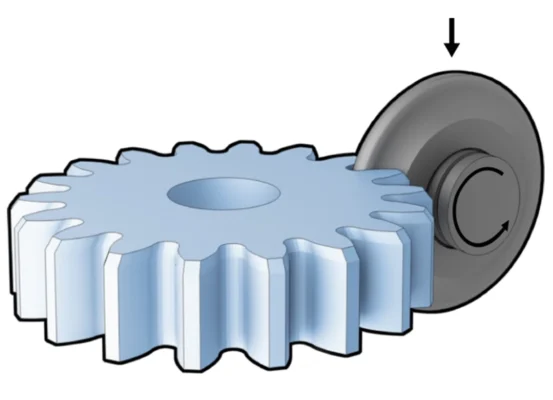
The main value of gear grinding is final correction after heat treatment. It can improve tooth profile and lead accuracy, making gear meshing more stable. It can also improve surface quality and reduce the risk of localized contact or early wear. For projects that require inspection reports, ground gears are also easier to verify against drawing requirements.
Grinding also helps control the uncertainty caused by heat treatment. By leaving a proper grinding allowance before heat treatment and finishing the gear afterward, manufacturers can reduce the risk of hardened gears failing to meet final dimensional or accuracy requirements. This is why many precision gear projects follow a process route such as tooth cutting, heat treatment, grinding, and inspection.
However, gear grinding cannot solve every problem. If heat treatment distortion is too large, or if the machining allowance is not planned properly in earlier stages, grinding will also be limited. A reliable supplier should consider material, part structure, heat treatment route, grinding allowance, and inspection standards from the beginning of the project.
When Should Buyers Consider Gear Grinding?
If a gear requires carburizing, surface hardening, or another heat treatment process that may affect dimensional stability, and if the drawing has clear requirements for accuracy, runout, surface quality, or tooth contact, buyers should consider gear grinding after heat treatment.
Grinding is also more suitable for projects involving high speed, high load, long service life, compact assembly space, noise-sensitive operation, or batch consistency requirements. In contrast, if the gear runs at low speed, carries light load, and has general accuracy requirements, other finishing methods may be more economical.
What Buyers Should Confirm Before RFQ
When requesting a quote, buyers should not only ask whether the supplier can grind gears or what the price is. A better approach is to provide the key information that affects process planning. This helps the supplier judge whether grinding is necessary, how much allowance should be reserved, how heat treatment should be arranged, and which inspection items are needed.
| Information Buyers Should Provide | Why It Matters |
| 2D drawing or 3D model | Confirms dimensions, tolerances, reference surfaces, and gear structure |
| Gear parameters | Confirms module/DP, tooth count, pressure angle, helix angle, and related details |
| Material grade | Helps evaluate heat treatment and grinding suitability |
| Heat treatment requirement | Confirms hardness, case depth, and process route |
| Accuracy grade | Helps determine whether grinding and specific inspection standards are needed |
| Application condition | Shows load, speed, lubrication, and assembly requirements |
| Quantity and lead time | Supports production planning and cost evaluation |
| Inspection report requirement | Defines whether profile, lead, runout, hardness, or other reports are needed |
If complete drawings are not available, buyers can also provide old samples, clear photos, key dimensions, application details, and information about mating parts. For replacement gear projects, the sample may already be worn, so the supplier usually needs to combine reverse engineering with application review.
What Inspection Should Follow Gear Grinding?
After gear grinding, inspection is essential for confirming final quality. Common inspection items include tooth profile, lead, pitch, radial runout, surface roughness, hardness, and effective case depth.
For export projects or batch assembly projects, buyers should confirm in advance whether material reports, heat treatment reports, hardness reports, dimensional reports, or gear inspection reports are required. This allows the supplier to plan the inspection process before production, instead of trying to prepare documents only before shipment.
Common Mistakes Buyers Should Avoid
The first common mistake is providing only outside dimensions without gear parameters. A gear is not a simple round part. Tooth count, module, pressure angle, helix angle, profile shift, and mating relationship can all affect the manufacturing route.
The second mistake is focusing only on hardness while ignoring accuracy changes after heat treatment. A gear can meet the hardness requirement but still have meshing problems if tooth profile, lead, or runout is not controlled.
The third mistake is not confirming inspection requirements early. If a buyer only says “high precision,” the supplier may not know the exact standard. It is better to provide the required accuracy grade on the drawing or clearly state which inspection reports are needed.
The fourth mistake is treating gear grinding as an isolated process. A practical grinding plan should be evaluated together with material, heat treatment, machining allowance, equipment capability, and inspection requirements.
Why Choose Wenlio for Gear Grinding Projects?
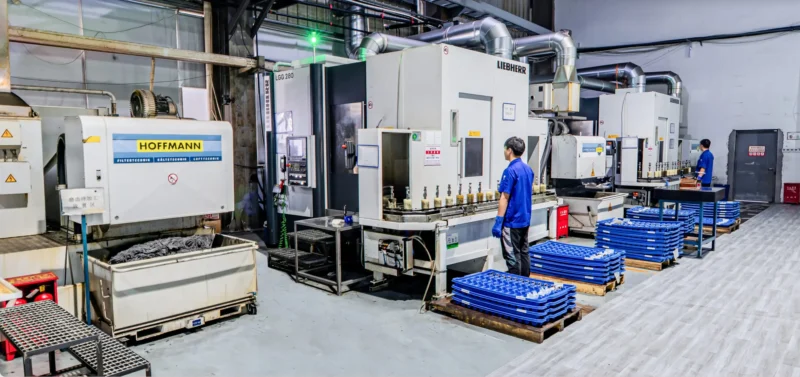
Wenlio supports various custom gear and gear shaft projects. The manufacturing process can cover blank preparation, tooth cutting, heat treatment, gear grinding, honing, inspection, and delivery. For projects that require finishing after heat treatment, Wenlio can evaluate a suitable manufacturing route based on drawings, material, hardness, accuracy grade, and application conditions.
During project review, we focus on heat treatment method, grinding allowance, assembly references, inspection standards, and delivery requirements. For gears suitable for grinding, Wenlio pays attention to the tooth surface condition after heat treatment, final accuracy, and inspection results, helping buyers reduce assembly risks and rework costs.
FAQ
Do all gears need grinding after heat treatment?
No. Whether grinding is needed depends on gear accuracy, load, speed, heat treatment method, and cost requirements. Ordinary low-speed gears may not need grinding, while high-precision or high-load gears are more likely to require it.
Can gear grinding completely remove heat treatment distortion?
Gear grinding can correct tooth surface errors within a certain range, but it cannot solve all distortion problems. If distortion is too large, the material, structure, fixture, allowance, and heat treatment route may need to be reviewed.
What information should buyers provide for a quote?
Buyers should provide drawings, gear parameters, material, heat treatment requirements, accuracy grade, quantity, application conditions, and inspection report requirements. If no drawing is available, samples, photos, and key dimensions can also help.
Does gear grinding increase cost and lead time?
Usually yes. Gear grinding requires dedicated equipment, setup, grinding time, and inspection. This means higher cost and longer lead time than standard tooth cutting. However, for precision projects, it can reduce later assembly and quality risks.
Can Wenlio help judge whether gear grinding is needed?
Yes. Buyers can send drawings, material details, heat treatment requirements, quantity, and application conditions. Wenlio can review the project and suggest whether grinding after heat treatment is needed, as well as which inspection items should be considered.
Conclusion
Heat treatment can improve gear hardness, wear resistance, and load capacity, but it may also cause slight changes in size and tooth surface condition. For custom gear projects with higher accuracy requirements, gear grinding is an important process for controlling final quality after heat treatment.
If your project involves carburizing, surface hardening, high accuracy grades, or critical assembly positions, it is better to confirm the need for gear grinding during the RFQ stage. You can Contact us to send your drawing, material, heat treatment requirement, quantity, and inspection standard, and we can help evaluate a suitable manufacturing route based on the actual application.
