
Blogs, Bevel Gear
Straight Bevel Gears: Drawing and RFQ Checklist
Jun
Introduction
Straight bevel gears may look simple because the tooth line is straight and the gear shape is easier to recognize than spiral or hypoid gears. But for a custom order, the risk is rarely about the product name alone. The real question is whether the drawing, gear data, mating part, material, heat treatment, and inspection requirements are clear enough for production.
A buyer may send a photo and ask for “the same straight bevel gear,” but photos cannot confirm module, tooth count, pressure angle, mounting distance, bore accuracy, backlash, or contact pattern. If these details are missing, the quotation may look fast, but the final part may not fit or mesh correctly.
This guide explains what buyers should confirm before ordering straight bevel gears, especially for replacement parts, right-angle drives, and custom gear projects made to drawing or sample.
What Are Straight Bevel Gears?
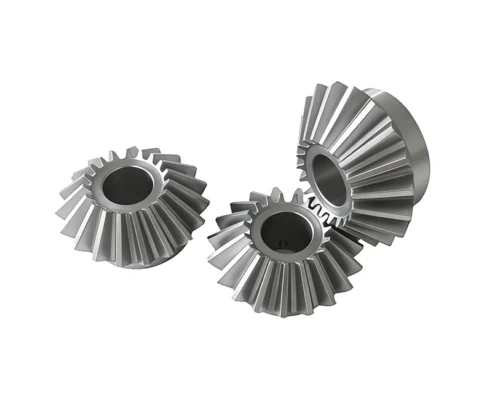
Straight bevel gears are conical gears used to transmit power between intersecting shafts. In many applications, the shaft angle is 90 degrees, although the final design still depends on the drawing and housing layout.
The tooth line of a straight bevel gear is straight. Compared with spiral bevel gears, straight bevel gears are generally simpler in structure and are often used in moderate-speed, practical right-angle transmission systems. They can be found in agricultural machinery, conveyors, reducers, machine tools, vehicle components, and service replacement projects.
However, “straight bevel gear” is only the starting point. A supplier still needs enough technical information to confirm the geometry, mating relationship, material route, and inspection scope.
Why Drawings Matter Before Ordering
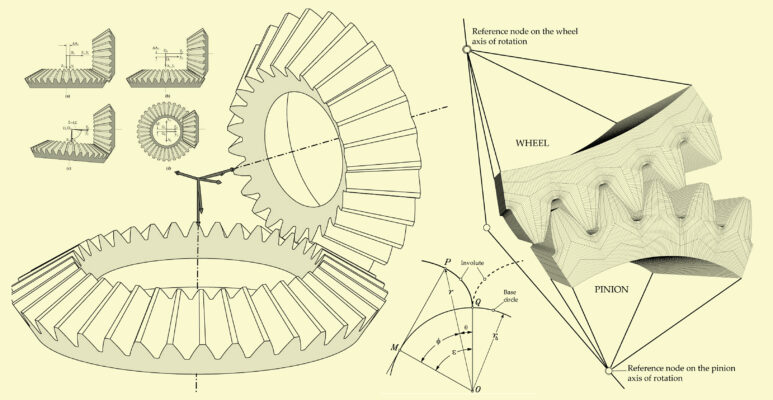
For straight bevel gears, a complete drawing is usually the best starting point. It tells the supplier not only the outside dimensions, but also the gear data and reference surfaces that affect fit and meshing.
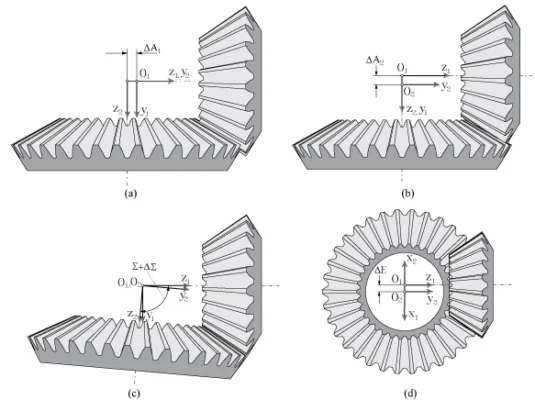
A common mistake is sending only a sample photo or a rough outside diameter. This may help the supplier understand the product type, but it is not enough for reliable manufacturing. Straight bevel gears work with a mating gear, so tooth count, ratio, shaft angle, mounting distance, bore, keyway, face width, and backlash can all affect the final result.
If a drawing is not available, an old sample can still be useful. But buyers should remember that worn samples may no longer show the original tooth geometry. In that case, the supplier may need more information about the mating gear, assembly position, and application condition.
What Buyers Should Confirm Before RFQ
A useful RFQ should help the supplier understand both the gear itself and the working condition. The more complete the information, the easier it is to avoid wrong assumptions, repeated questions, and quotation differences.
| RFQ Detail | What Buyers Should Provide | Why It Matters |
| Drawing or sample | 2D drawing, 3D model, old sample, or clear photos | Confirms structure and available reference information |
| Gear data | Tooth count, module/DP, pressure angle, face width, cone angle if available | Defines the tooth geometry |
| Pair information | Mating gear, ratio, hand/orientation, shaft angle, mounting distance | Helps check meshing and assembly risk |
| Bore and connection | Bore size, tolerance, keyway, spline, thread, hub shape | Affects fit with shaft or housing |
| Material | Steel grade or approved alternative | Influences strength, cost, and heat treatment route |
| Heat treatment | Hardness, case depth, carburizing, induction hardening, quenching and tempering, or nitriding | Affects wear resistance and final stability |
| Accuracy and inspection | Runout, tooth geometry, backlash, contact pattern, hardness report, material report | Defines how the final gear will be checked |
| Application condition | Load, speed, lubrication, machine type, and failure symptoms | Helps the supplier judge process and risk |
This table does not mean every project needs all documents at the first contact. But if the gear is used in a critical assembly or replacement project, these details can reduce many avoidable problems.
When a Sample Is Not Enough
A sample is helpful, especially when the original drawing is missing. It allows the supplier to measure major dimensions, review the tooth form, and understand the part structure. But a sample does not always tell the full story.
If the sample is already worn, broken, or modified, it may not represent the original design. Tooth wear can change the measured profile. A damaged bore can mislead the reference position. A missing mating gear can make it difficult to confirm ratio and contact behavior.
For replacement projects, buyers should try to send the mating gear as well, or at least provide clear photos and dimensions of the matching part. If the gear failed early, it is also useful to explain the failure symptoms, such as broken teeth, pitting, abnormal noise, overheating, or repeated adjustment after installation.
The supplier should not copy a worn sample blindly. A better approach is to combine sample measurement, application review, and any available drawing or assembly information.
What the drawing and gear data should include
A straight bevel gear drawing does not need to be overcomplicated, but it does need to be complete enough for manufacturing and inspection. The goal is to define not only the part shape, but also the functional relationship between the mating gears.
| Drawing or data item | What should be included | Why buyers should care |
| Basic gear data | Tooth count, module/DP, pressure angle, face width | Defines the gear itself |
| Pair logic | Mating part reference or pair information | Reduces mismatch risk |
| Angle information | Shaft angle and cone-related reference where needed | Keeps the layout correct |
| Mounting dimensions | Bore, keyway, spline, hub, shoulder, flange | Prevents fit problems |
| Material callout | Steel grade or approved equivalent | Avoids later substitution disputes |
| Heat-treatment note | Hardness target, case-depth expectation, or route | Aligns durability with the application |
| Tolerance notes | Runout, fit, concentricity, perpendicularity if needed | Helps assembly and rotation quality |
| Inspection request | What reports are required before shipment | Makes approval faster and clearer |
If a full drawing is not available, the order package should still include whatever the buyer can provide: sample photos, key dimensions, OEM reference, mating-part data, and a short note on how the gear is used in service. That often makes the difference between a rough quote and a usable one.
Common Ordering Mistakes
One common mistake is using the product name as the full specification. “Straight bevel gear” is not enough for manufacturing. The supplier still needs tooth data, dimensions, material, heat treatment, and inspection requirements.
Another mistake is ignoring the mating gear. A straight bevel gear does not work alone. If the mating gear is worn or unknown, replacing only one part may create meshing problems.
A third mistake is comparing quotations without checking the technical scope. One supplier may quote only basic machining. Another may include drawing review, heat treatment, finishing, inspection reports, and packaging. The lower price is not always the same scope.
Buyers should also avoid saying “high precision” without a measurable requirement. It is better to provide the accuracy grade, drawing tolerance, inspection report requirement, or real application condition.
Why Choose Us
At Wenlio Gear, we handle straight bevel gear projects with the same practical mindset we apply across our broader bevel gear work. That means we review the drawing or sample together with the application, the shaft layout, the material route, and the inspection needs before moving into production.
We also understand that buyers do not only need gears that can be cut to size. They need gears that can be quoted clearly, approved with confidence, and produced consistently. That is why our workflow connects early technical review, material and heat-treatment planning, dimensional and gear inspection, prototype support, and repeat manufacturing into one process.
FAQ
Q1: What is the first thing to confirm before ordering straight bevel gears?
The first thing is whether the project is really a straight bevel gear application, followed by the shaft angle and the mating relationship.
Q2: Do straight bevel gears always use a 90-degree shaft angle?
Often yes, but not always. Buyers should confirm the actual shaft angle on the drawing or in the RFQ instead of assuming.
Q3: Is module more important than material in the quote stage?
Both matter. Module defines the tooth size and compatibility, while material affects strength, hardenability, and cost.
Q4: Should buyers define backlash before ordering?
Yes, when the application is sensitive to fit, noise, or assembly behavior. A standard range may be enough in some projects, but it should still be discussed early.
Q5: What reports should buyers ask for before shipment?
That depends on the project, but common requests include dimensional reports, hardness data, material certification, and any required runout or gear-related inspection results.
Conclusion
Ordering straight bevel gears becomes much safer when the buyer confirms the functional inputs before asking the supplier to cut metal. The drawing, shaft angle, tooth count, module or DP, material, heat treatment, backlash, runout, and inspection plan all shape the final result. When those points are clear, the quote becomes more reliable and the production path becomes easier to control.
If you are preparing a straight bevel gear RFQ, replacing an existing pair, or trying to improve the quality of your quotation package, Contact Us with your drawing, sample, or application details so the technical review can start from the information that matters most.
