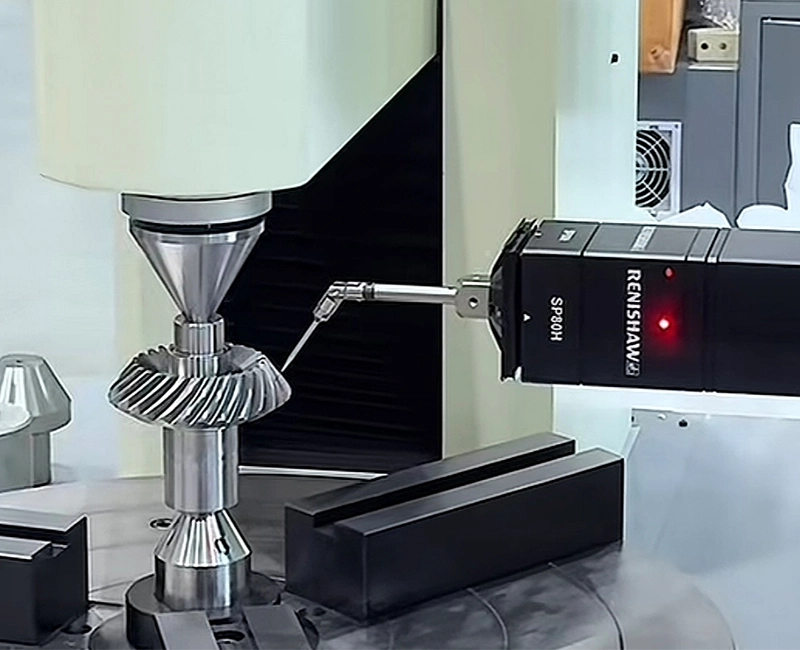
Introduction A gear inspection report shows whether a gear matches the drawing and the agreed quality requirements. Buyers should read profile, lead, pitch, runout, hardness, dimensions, and material data together, because one acceptable value alone does not always mean the whole gear is ready for assembly. At Wenlio Gear, inspection reports matter because customers do […]
Category Archives: Blogs
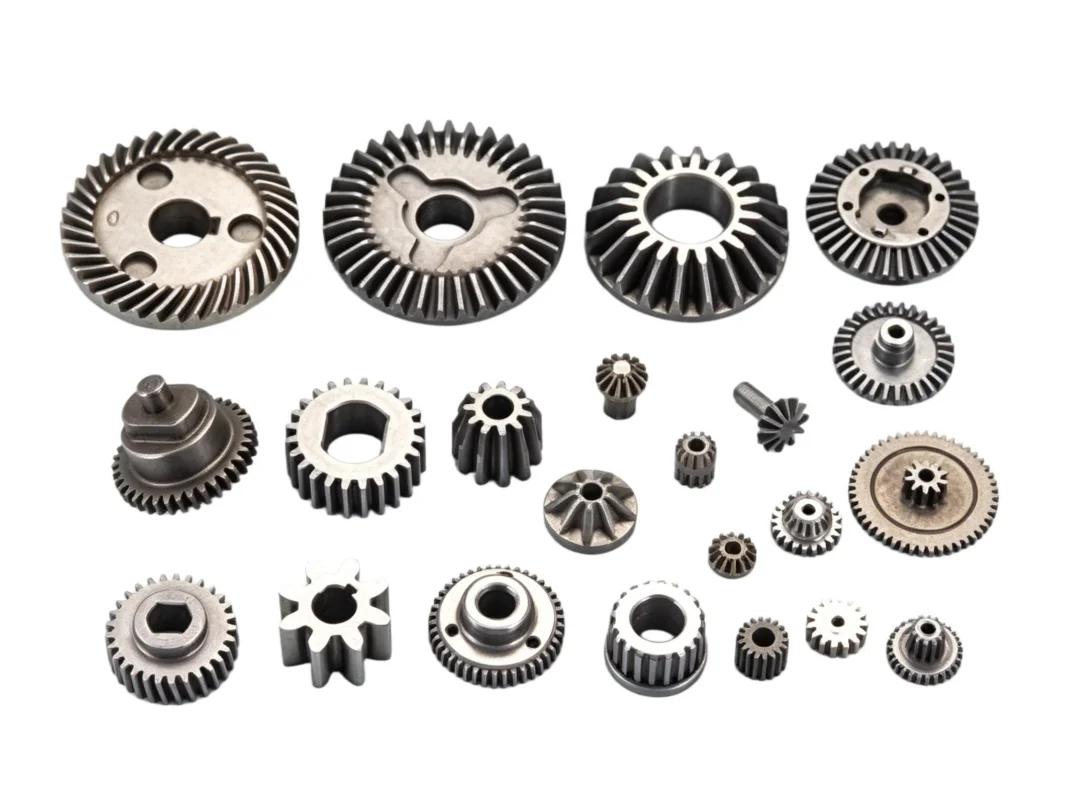
Introduction At Wenlio, powder metallurgy is presented as one practical manufacturing path for gears, especially when a project needs near-net-shape production, repeatable density, and better material efficiency in stable, higher-volume programs. Wenlio’s current PM page also positions the route as a fit for small- and medium-size gears where batch consistency and cost control matter, rather […]
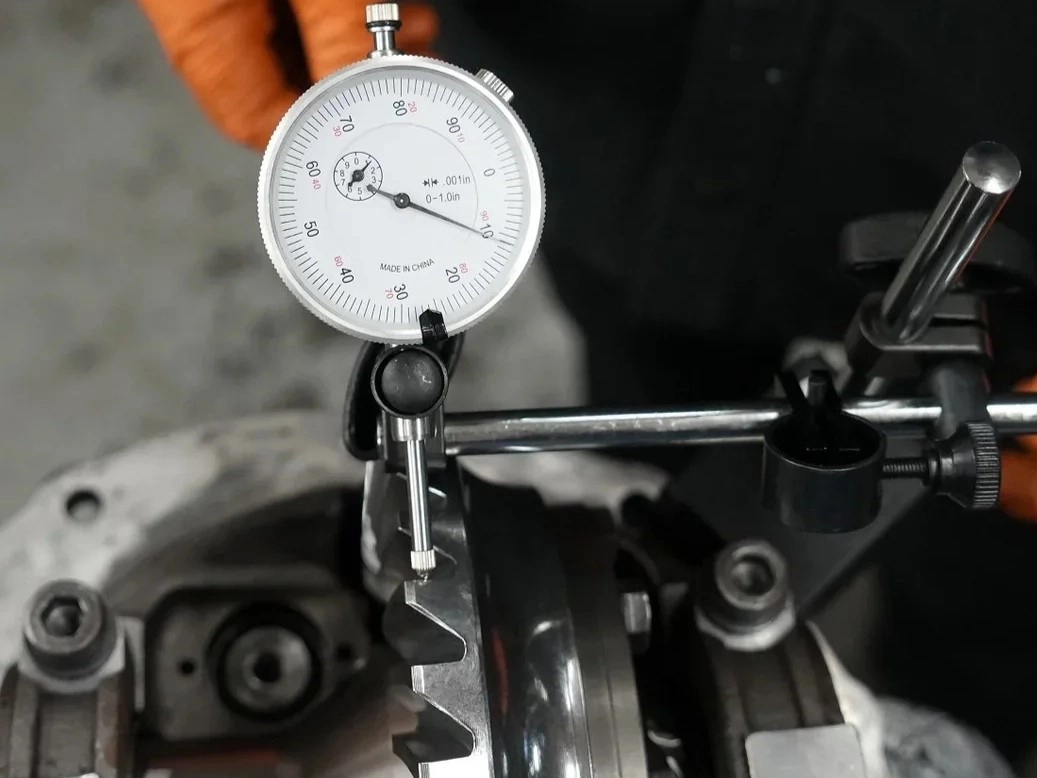
Introduction In a bevel gear set, backlash may look like a small detail, but it affects far more than tooth clearance. It influences how the teeth meet, how smoothly the pair runs, how much heat it generates, and how fast the tooth surfaces wear in service. If backlash is checked without looking at contact pattern […]
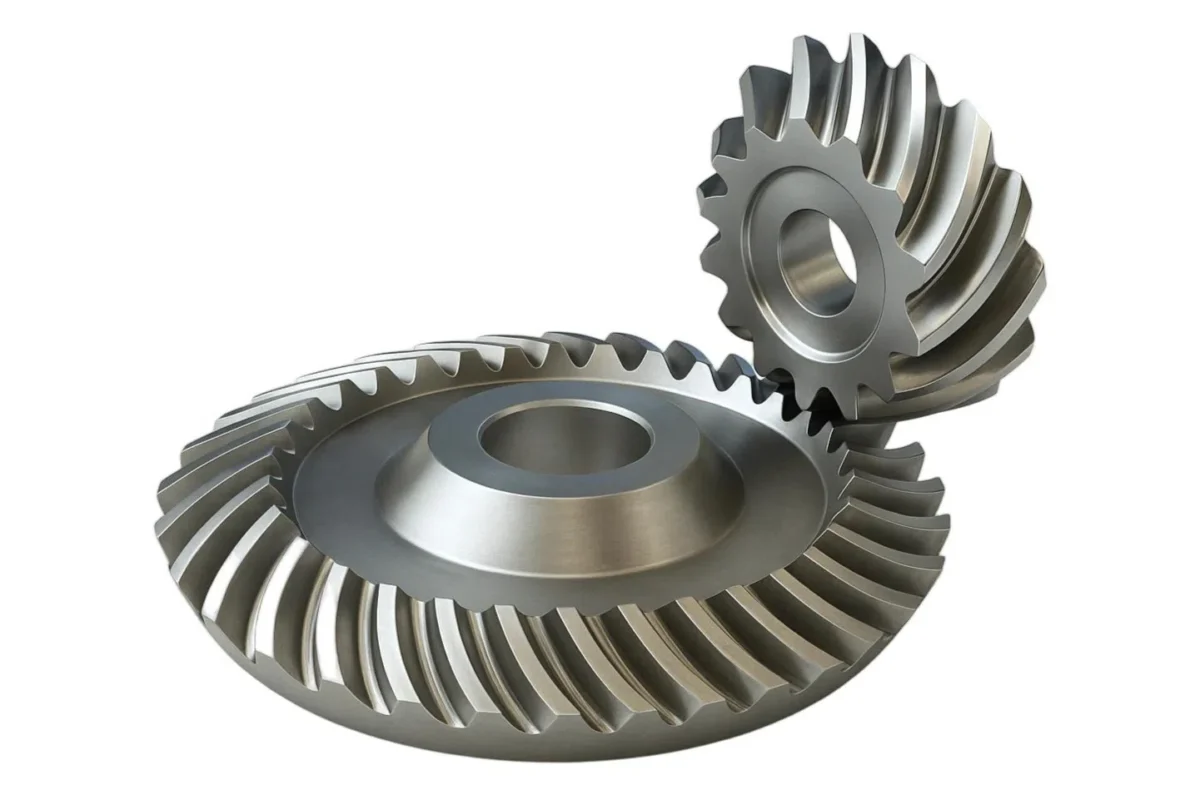
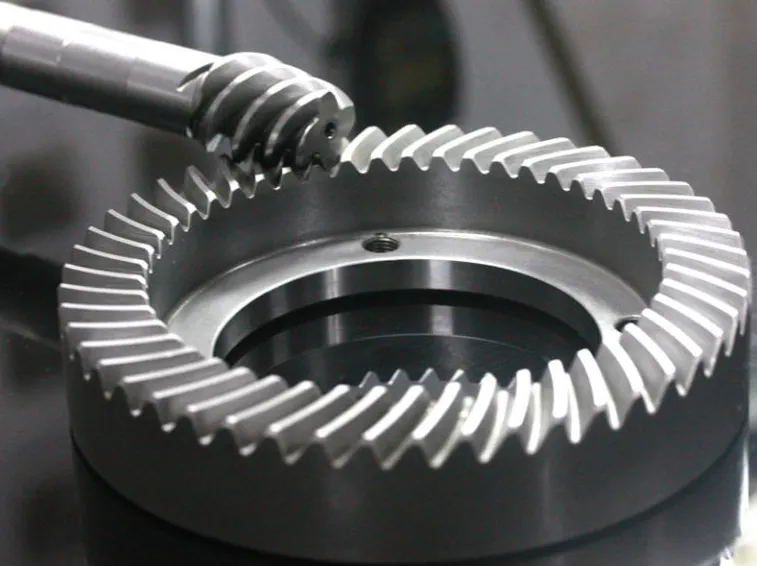
Introduction Straight bevel gears and spiral bevel gears both transfer power between shafts that meet at an angle, often 90 degrees. The main difference is easy to see: straight bevel gears have straight teeth, while spiral bevel gears have curved teeth. But in real use, this small difference changes a lot. It affects how the […]
Introduction In a bevel gear project, the module is usually one of the first numbers checked on the drawing. It tells engineers how large the teeth are, but its influence goes further than size. Module also affects pitch diameter, tooth strength, machining route, contact behavior, and whether the gear pair can run smoothly after assembly. […]
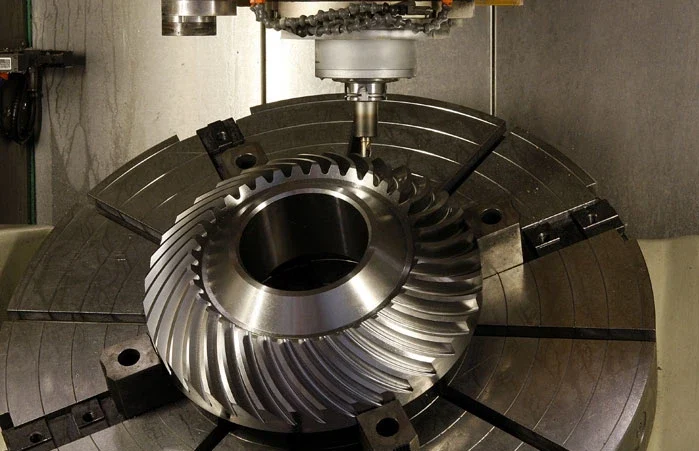
Introduction At Wenlio Gear, bevel gears are not treated as generic machine parts. They are built for working conditions where contact stability, low noise, and repeatable torque transmission matter. That is why the manufacturing discussion usually starts with the application itself. A tractor axle, a truck differential, a construction gearbox, and a compact industrial reducer […]
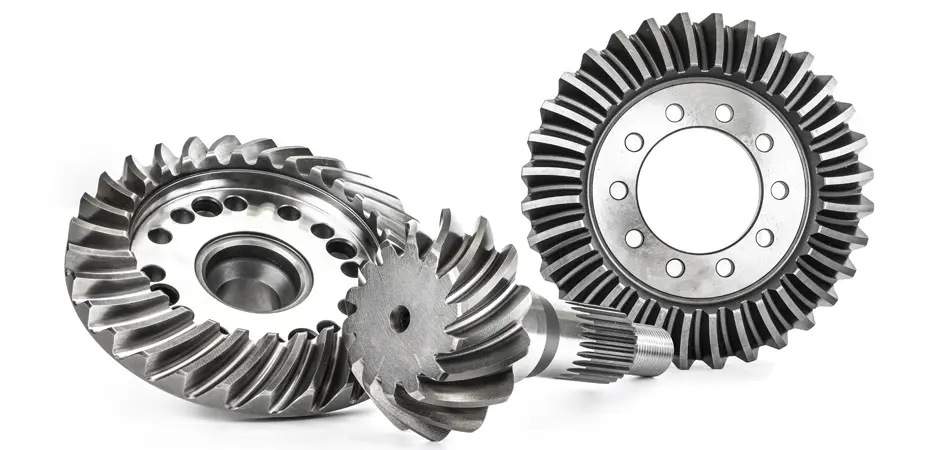
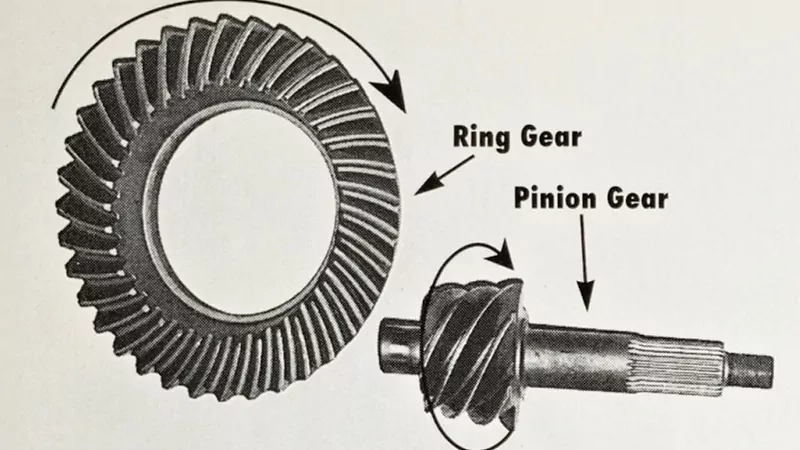
Introduction In many driveline systems, the ring and pinion set is the stage that makes the whole layout practical. It turns power through 90 degrees, reduces speed, increases torque, and sends that torque where the machine actually needs it. In a vehicle, that usually means the axle. In machinery, it may mean the final drive, […]
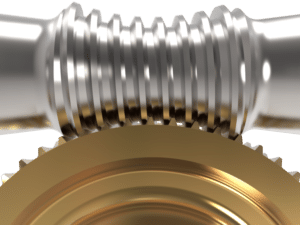
Introduction Worm gears are often chosen when a drive needs a large reduction ratio, compact layout, and smooth running. On paper, the principle looks simple: a worm drives a worm wheel, speed drops, torque rises, and the system fits into a relatively small space. In production, however, worm gear quality depends on much more than […]
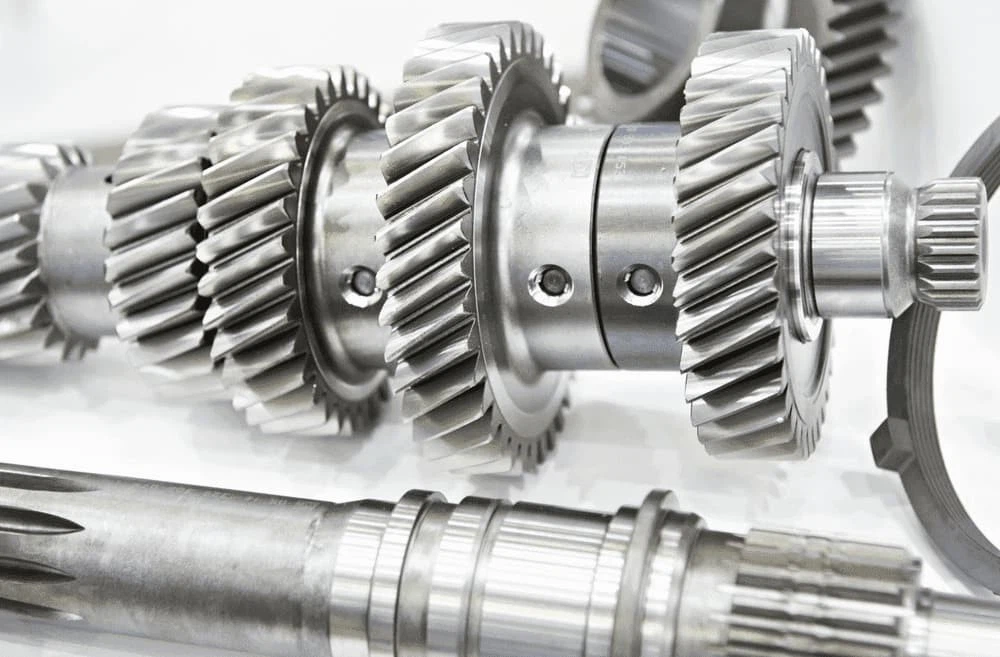
Introduction A gear shaft is never just one simple cylinder. In real gearbox design, it is divided into sections, and each section has its own job. One section supports a bearing, another carries a gear, another connects to a coupling or pulley, and another creates a shoulder for axial positioning. That is why a practical […]
Introduction Hypoid gears often come up in the same discussions as bevel gears, especially in automotive, off-highway, and compact right-angle transmission systems. At first glance, they look close enough to spiral bevel gears that many buyers and even some non-specialist engineers group them together. In practice, though, once shaft offset enters the design, the gearset […]