
Blogs, Bevel Gear
How to Prepare for a Bevel Gear Quote
Jun
Introduction
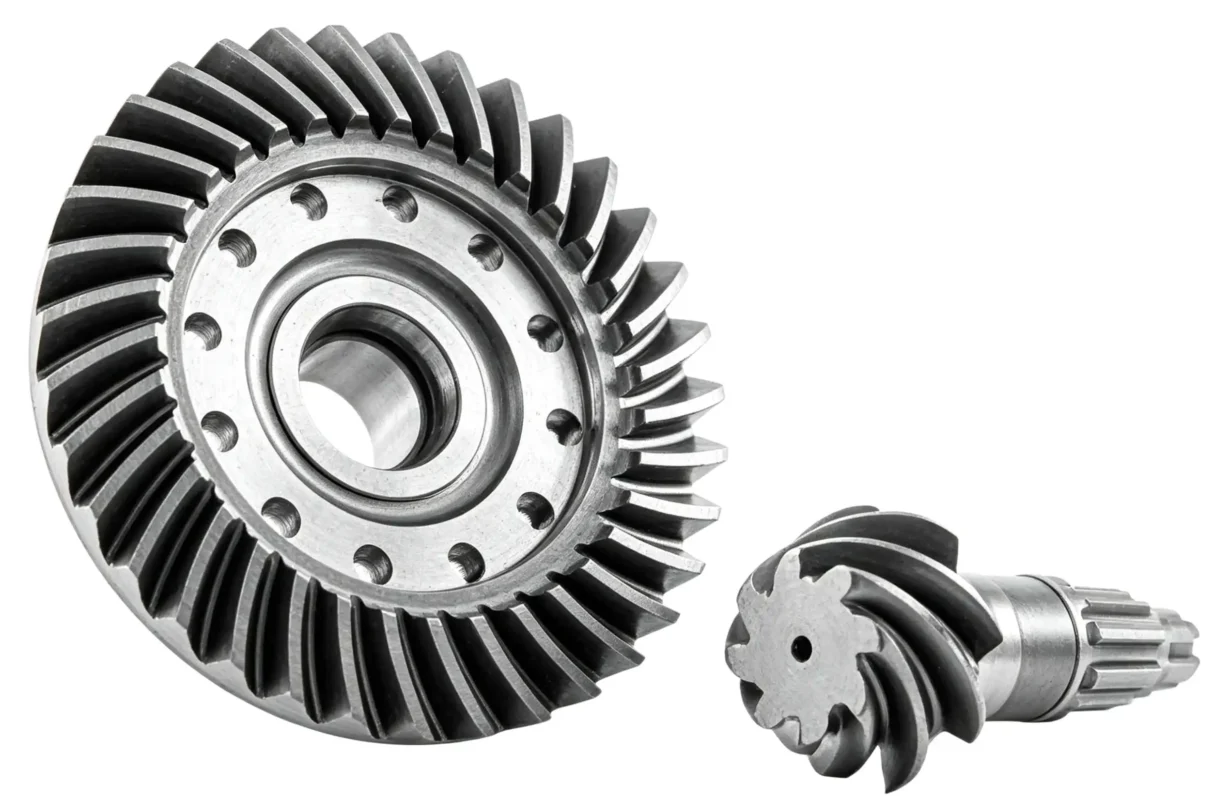
A bevel gear quote is most accurate when the supplier receives clear technical information from the start. For custom gear projects, Wenlio supports quotation review based on drawing files, gear parameters, material, heat treatment, surface treatment, quantity plan, and application details. Clear upfront detail helps the engineering team validate manufacturability faster and return a more complete quotation with lead time and cost breakdown.
That matters even more for bevel gears than for many simpler gear types. A bevel gear quote is rarely just about outside diameter and tooth count. Gear type, shaft relationship, matched-pair requirements, heat treatment, inspection depth, and application load all affect price, lead time, and process route. For custom bevel gear projects, the quoting workflow should connect drawing review, material and heat-treatment selection, inspection planning, and the project stage from prototype through production.
What a bevel gear quote needs
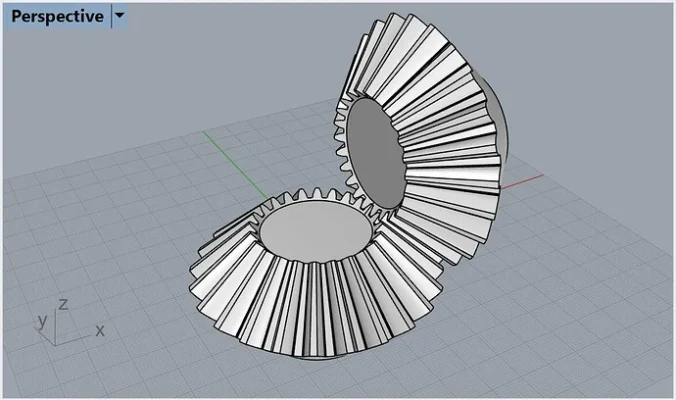
A bevel gear quote needs enough technical and commercial information for the supplier to judge geometry, process route, inspection scope, and delivery plan before pricing the project.
Why preparation matters before you request a quote
Because incomplete information usually leads to slow or unstable pricing
If the drawing is missing, the gear type is unclear, or the material and heat treatment are not defined, the supplier has to quote with assumptions. That often creates two problems: the first quote is less reliable, and later changes force time-consuming revisions.
Because bevel gears are sensitive to pair matching and contact behavior
Unlike many simple cylindrical gears, bevel gears often depend on how the pair works together in mesh. A quote for one bevel gear may not mean much unless the supplier also understands whether the project needs a matched pair, an existing pinion review, a ring-and-pinion set, or a new design that must hit a specific contact and backlash target.
Because the right information affects both price and process route
Once the supplier knows the load case, accuracy target, material, heat treatment, inspection requirement, and order volume, they can make better decisions about blank preparation, cutting method, grinding or lapping, inspection format, and realistic lead time. This is why a useful quote package should support DFM review, material and heat-treatment choice, documentation planning, and the project stage from prototype through production.
The quote situations buyers usually face
| Quote situation | What the buyer usually has | What the supplier still needs |
| New custom bevel gear | New drawing or 3D model | Material, heat treatment, quantity, accuracy, application details |
| Existing bevel gear project with drawing | Existing drawing or confirmed technical data | Operating condition, fit confirmation, current failure mode, order volume |
| Sample-based bevel gear project | Sample part, photos, partial dimensions | Sample review scope, mating part information, application load, tolerance expectations |
| Matched bevel gear pair | Pinion + gear pair requirement | Ratio, shaft angle, mounting logic, backlash target, contact expectations |
| Small-batch prototype project | Drawing plus early test requirement | Sample quantity, validation plan, timeline, report format |
| Production order | Approved sample or frozen drawing | Annual demand, batch size, documentation, packaging and shipping requirement |
This is where many RFQs go wrong. Buyers think they are sending “enough to start,” while the supplier is still missing the information needed to choose the real process route. For bevel gears, the difference between a simple right-angle set and a high-load matched pair can change both the quote and the inspection plan.
Who usually prepares the quote package
- Buyers or sourcing teams collecting RFQ documents
- Design engineers defining geometry and performance targets
- Quality engineers confirming standards and report format
- Assembly engineers checking fit, backlash, and pair logic
- Maintenance or rebuild teams preparing sample-based project information
- Project managers coordinating prototype timing and production demand
The best RFQ packages usually come from more than one person. Purchasing may send the inquiry, but engineering and quality often decide whether the supplier can quote correctly.
What to send for a bevel gear quote
| Information item | What to send | Why it matters |
| Drawing files | PDF and DWG; STEP or IGES preferred for complex geometries or assemblies | Lets the supplier review geometry and manufacturability |
| Gear parameters | Module or diametral pitch, tooth count, pressure angle, spiral angle if applicable, shaft angle, hand direction, mounting distance, backlash target, accuracy standard | Defines the gear technically and helps confirm pair-matching requirements |
| Gear type | Straight, spiral, hypoid, zerol, crown, miter, or other | Changes process route and inspection focus |
| Pair requirement | Single gear, matched pair, pinion only, ring gear only | Affects quoting logic and validation method |
| Material | Specific grade such as 20CrMnTi, 42CrMo, 8620H, or approved alternatives | Drives strength, hardenability, and cost |
| Heat treatment | Carburizing, nitriding, induction hardening, or other required condition | Affects wear resistance, distortion, and finishing |
| Surface treatment | Rust prevention, black oxide, plating, or none | Affects post-process handling and delivery condition |
| Quantity plan | Prototype quantity and annual demand | Helps choose batching, tooling, and lead-time route |
| Application details | Industry, load, speed, environment, target life | Helps the supplier judge risk and process suitability |
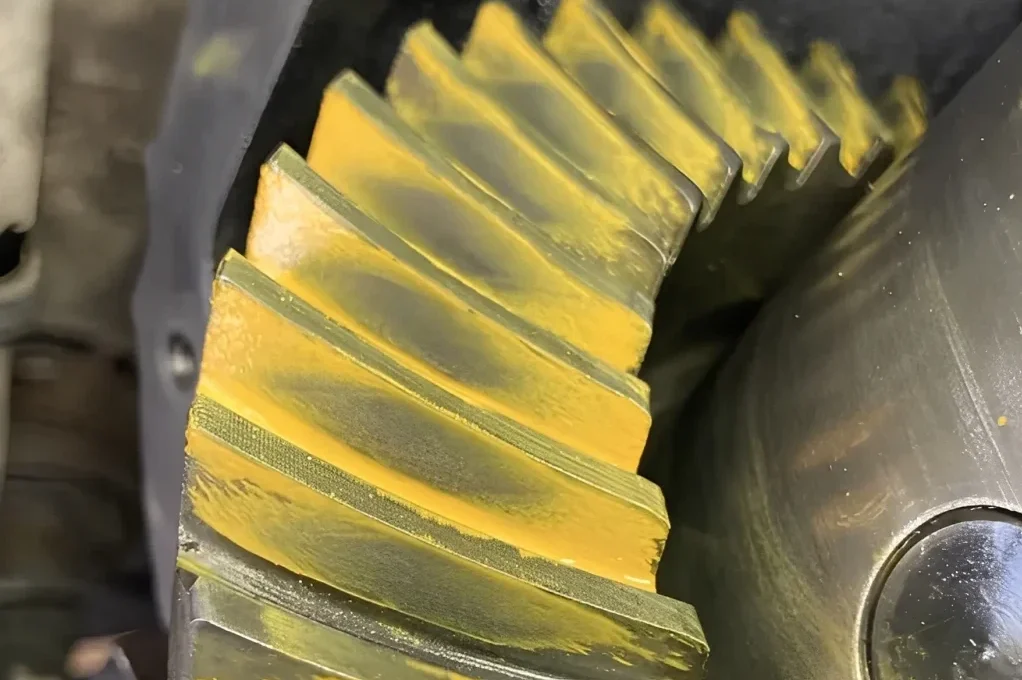
| Inspection requirement | Material certificates, tooth geometry inspection, hardness, dimensional report, contact pattern evidence, FAI or PPAP if needed | Defines the evidence required before approval |
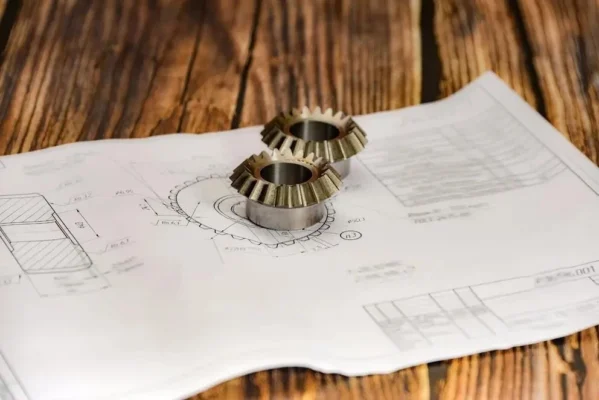
If your drawing is incomplete, you can still send sample photos, basic dimensions, mating-part information, and application details. Wenlio can review the available information first and confirm what is still needed before quotation.
For custom bevel gear projects, clear technical documentation helps reduce costly revisions and define the right inspection records in advance, such as material, tooth geometry, hardness, dimensional, and contact-pattern reports. A simple rule is this: if the supplier still has to guess more than one major item, the quote is not ready—especially when the unknowns involve gear type, matched-pair status, heat treatment, or inspection depth.
What good preparation improves
| Project result | What improves | Why it helps |
| Faster quotation | Less time spent chasing missing data | Shorter RFQ cycle |
| Better price accuracy | Fewer hidden assumptions | Less risk of later revision |
| Better manufacturability review | Engineering can judge the process route earlier | Fewer surprises after order release |
| Better sample planning | Prototype quantity and approval criteria are clearer | Faster validation |
| Better inspection alignment | Supplier knows what reports to prepare | Easier approval before shipment |
| Better delivery planning | Prototype and production demand are separated correctly | More realistic lead time |
A prepared RFQ package supports the same workflow logic: prototype validation, pilot runs, and stable batch delivery can be planned as one coordinated process. Wenlio gives indicative lead times of 4-6 weeks for prototypes and 3-5 weeks for production, with prototype orders accepted and small batches welcomed.
What to confirm with your supplier before you send the RFQ
- Whether the bevel gear is a single part or a working pair
This should be stated clearly. A quote for one spiral bevel pinion is not the same as a quote for a lapped matched set. - Which standard or accuracy system applies
If the project depends on a specific standard, say so. Wenlio states support for ISO 1328, DIN 3961, AGMA 2000, JIS B 1702, and customer-specific standards. - Which reports are mandatory before approval
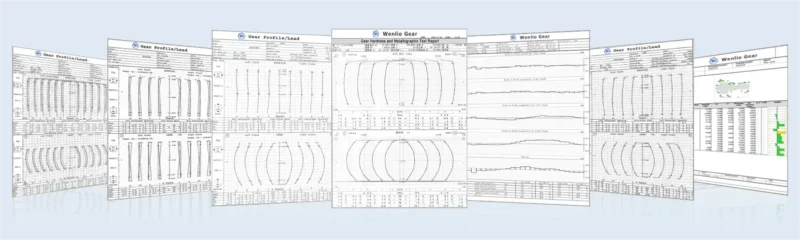
Decide early whether you need dimensional reports, tooth geometry inspection records, hardness results, material certificates, FAI, PPAP, metallographic analysis, or bevel-gear contact-pattern evidence. Wenlio lists all of these as standard or optional documentation on the custom-gears page. - Whether DFM feedback is allowed
For custom bevel gears, drawing review often improves manufacturability, cost, or lead time. Wenlio states that its engineering team performs DFM review and can suggest changes to improve quality, reduce cost, or shorten lead time. - When the supplier will respond with technical questions
This matters for project timing. Wenlio states that its engineering team typically reviews requirements and responds within 24–48 hours with questions or recommendations after receiving drawings.
Why Choose Us
Wenlio Gear supports a workflow built around made-to-print bevel gear production, prototype-to-production planning, flexible material and heat-treatment choices, and documented inspection. Its bevel gear scope includes straight bevel, spiral bevel, hypoid, zerol, crown, and miter bevel gears, with quote-stage technical review and post-process inspection support.
For a bevel gear quote, that matters because the value is not only in machining the teeth. It is in turning the drawing into a manufacturable plan, selecting the right heat treatment, defining the inspection scope, and keeping prototype approval consistent with later production. Wenlio’s process range, quality protocol, and project workflow all support that more complete quoting approach.
FAQ
Q1: Can I get a bevel gear quote without a full 3D model?
Yes, in many cases. A PDF drawing may be enough to start. For complex geometries or assemblies, STEP or IGES files help the supplier review manufacturability more accurately.
Q2: What is the most important item in a bevel gear RFQ?
The drawing is usually the starting point, but the most important combination is drawing plus gear type, pair requirement, material, heat treatment, quantity, and application details.
Q3: Do I need to specify heat treatment before asking for a quote?
It is better if you can. If not, the supplier should at least know the load case and service requirement so they can recommend a realistic hardening route.
Q4: What reports should I ask for before shipment?
For many bevel gear projects, buyers should at least confirm dimensional results, tooth geometry inspection data, hardness, and material evidence. For more demanding matched sets, contact-pattern evidence may also be important.
Q5: How much quantity information should I send?
Send both the prototype quantity and the expected annual demand if possible. Quantity planning helps Wenlio evaluate tooling, batching, process route, and delivery expectations more accurately.
Conclusion
Preparing for a bevel gear quote is really about reducing uncertainty before production starts. When the drawing, gear type, pair requirement, material, heat treatment, quantity, and inspection expectations are clear, the supplier can review manufacturability faster and return a quote that is more useful for both engineering and purchasing.
For bevel gear projects, that preparation matters because pricing is only one part of the decision. The real value of a good quote is that it helps confirm process route, inspection scope, and delivery expectations before time and cost begin to move. If you are preparing a new bevel gear RFQ, reviewing an existing bevel gear set for repair or rebuild, or comparing suppliers for a matched-pair project, Contact Us with your drawing, sample photos, or application details so the discussion can start from the information that matters most.

Pingback: What Affects an E-Drive Bevel Gear Quote? - wenlio.com